How to Grow and Care for Onions
Disclosure: We may earn a commission when you buy through links on this page, at no extra cost to you. As an Amazon Associate I earn from qualifying purchases. Learn more
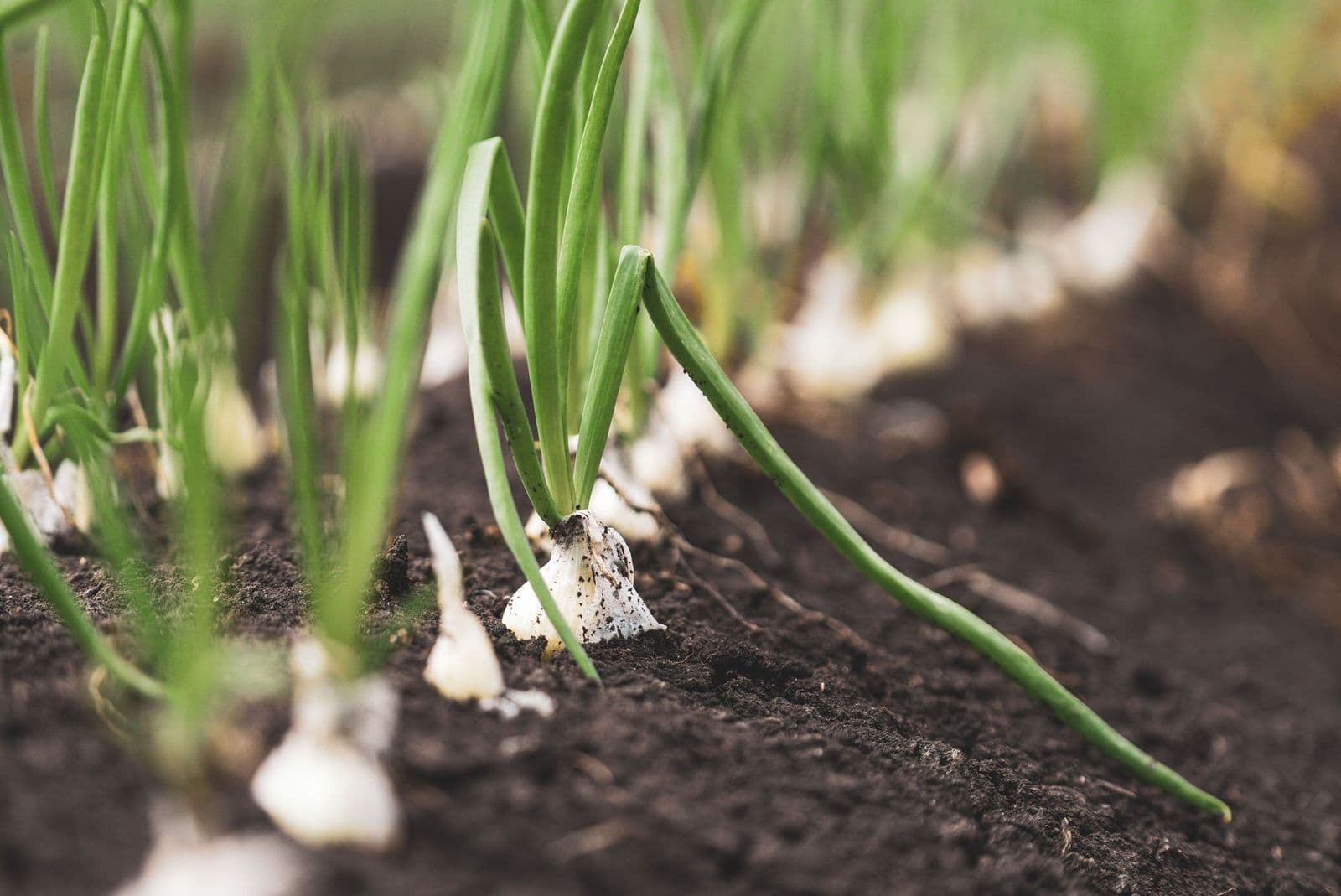
How to grow onions at home: choosing the right type, planting sets, watering, feeding, weeding, harvesting and curing.
Onions add flavor and aroma to countless dishes, and it is easy to grow onions at home in a small bed or even a few containers. They need little space, store well and are one of the most useful crops you can plant.
This guide covers the main onion types, how to choose the right kind for your area, ideal growing conditions and the care tips that lead to a big harvest of firm, flavorful bulbs.
Types of Onions
Onions differ in flavor, color and storage life. The four common types each have their best uses in the kitchen.
- Yellow onions: the most widely used type, with a strong, pungent flavor that sweetens when cooked. They store for months.
- Red onions: milder with a vibrant color, often used raw in salads or as a garnish.
- White onions: milder than yellow onions with a crisp texture, common in Mexican and Southwestern cooking.
- Sweet onions: mild and sweet enough to eat raw on salads and burgers, though they do not store as long.
Choosing Short-Day, Long-Day or Intermediate Onions
Onions form bulbs when daylight reaches a certain length, so choosing the right day-length type for your region matters as much as the color. Long-day varieties suit northern gardens, short-day varieties suit the South, and intermediate (day-neutral) types grow well in the middle of the country. Seed packets and set labels list the type.
Growing Conditions for Onions
Onions grow best in full sun, loose and fertile well-drained soil, cool temperatures early in the season and steady moisture.
- Soil: well-draining soil rich in organic matter. Add compost or well-rotted manure before planting to improve fertility.
- Sunlight: full sun, with at least 6 hours of direct sunlight daily for good bulb development.
- Temperature: onions are cool-season crops that tolerate chilly weather and grow best between 55°F and 75°F (13°C to 24°C).
- Watering: consistent moisture without overwatering. Water deeply about once a week so the soil stays evenly moist but not waterlogged.
How to Grow Onions: Planting and Care
To grow onions, plant sets or transplants in early spring, keep the bed weeded and evenly moist, feed them with nitrogen early on and stop watering once the tops start to fall over.
Planting
Plant onion sets (small bulbs) or transplants in early spring. Space them about 4 to 6 inches apart, with the pointed end up and the tip level with the soil surface.
Mulching
Spread a layer of organic mulch, such as straw or grass clippings, around the plants to suppress weeds and retain moisture.
Fertilizing
Onions are light to moderate feeders. Work a balanced fertilizer or compost into the bed at planting, then side-dress with a nitrogen-rich fertilizer when the plants are about 6 inches tall. Stop feeding once bulbs begin to swell.
Weed Control
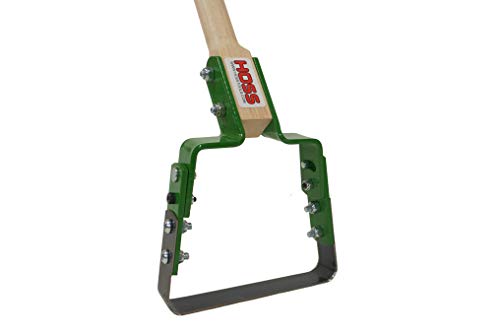
Keep the onion bed free of weeds, since onions have shallow roots and thin leaves that cannot shade out competition. Weed often and shallowly so you do not damage the roots; a stirrup hoe that slices weeds just below the surface makes this quick work.
Thinning
Thin crowded seedlings so each bulb has room to grow. Use the thinned plants as green onions in the kitchen.
Pests and Diseases
Onion maggots (the larvae of onion flies) and onion thrips are the most common pests. Check plants regularly and use insecticidal soap or other organic controls if needed. Good air circulation and avoiding overwatering reduce fungal rot.
Harvesting and Curing Onions
Onions are ready when most of the tops have yellowed and fallen over. Stop watering at that point, then pull the bulbs on a dry day.
Cure them in a warm, dry, airy place out of direct sun for two to three weeks, until the necks are dry and the skins papery. Trim the tops and roots, and store the onions in a cool, dry spot with good airflow.
Conclusion
Growing and caring for onions is a rewarding way to keep fresh, flavorful bulbs on hand for your meals. Choose the right type for your region, give the plants suitable conditions, keep them weeded and watered, and cure the harvest well. Root crops make good neighbors, so try our guide on how to plant carrot seeds too. Follow these steps and you will grow onions successfully season after season.