How to Grow and Care for Cauliflower
Disclosure: We may earn a commission when you buy through links on this page, at no extra cost to you. As an Amazon Associate I earn from qualifying purchases. Learn more
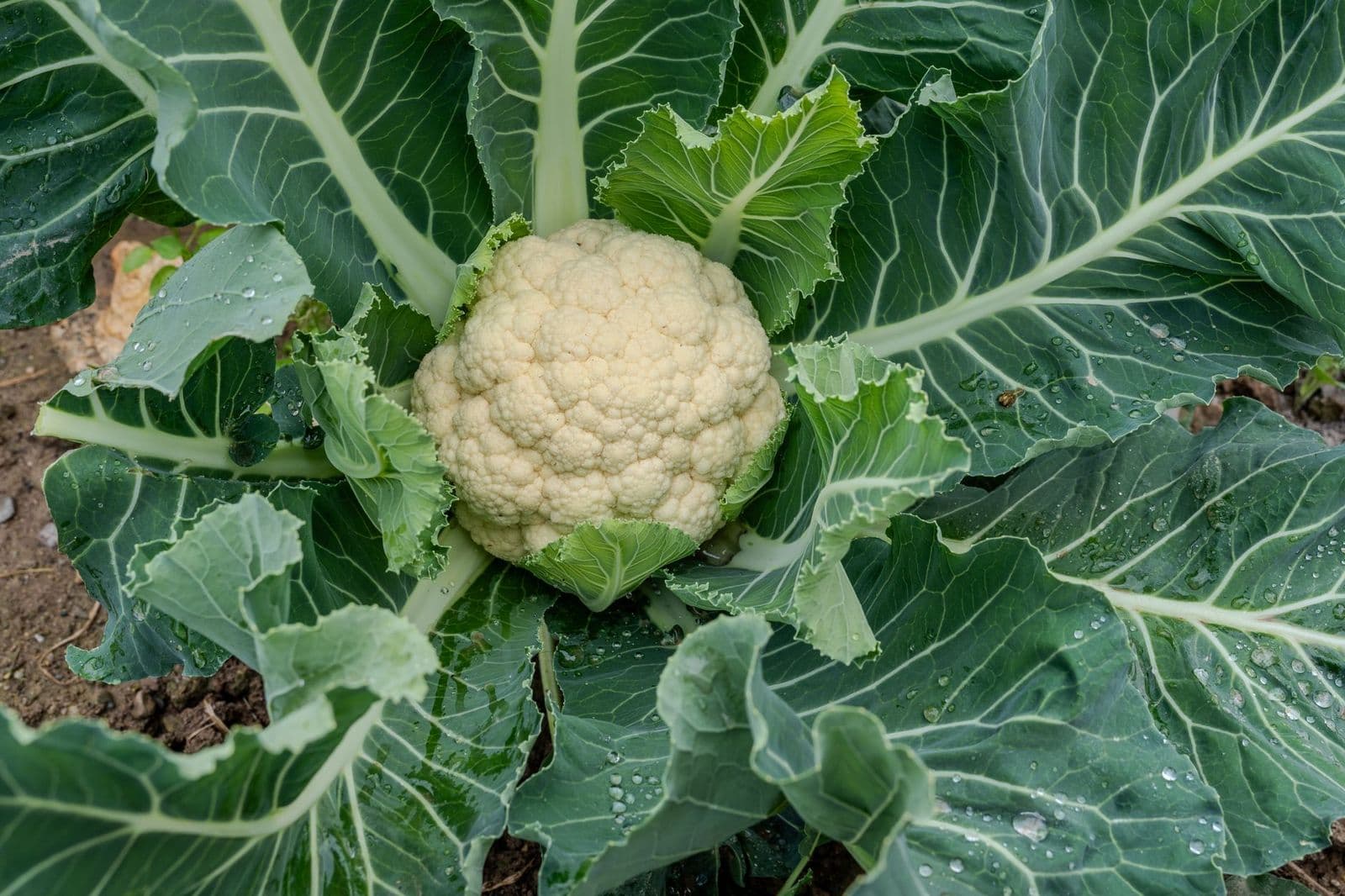
How to grow cauliflower with firm white heads: varieties, planting, watering, feeding, blanching, pests and harvest timing.
Cauliflower is a versatile, nutritious vegetable, and learning to grow cauliflower in your own garden gives you fresher, more flavorful heads than you can buy. It is a little more demanding than other cabbage-family crops, but steady care pays off with firm, white curds.
This guide covers choosing a variety, planting, watering, feeding and protecting your plants, plus answers to the questions gardeners ask most.
How to Grow Cauliflower
To grow cauliflower, start seeds indoors or buy transplants, set them in fertile soil in full sun during cool weather, and keep them evenly watered and well fed until the heads form. Steady conditions are the secret, since stress from heat or drought causes small, loose heads.
Choosing the Right Variety
Select a variety suited to your climate and season. Consider heat tolerance, days to maturity and head size when you compare seed packets.
Popular choices include Snowball, a classic white type; Purple Cape, a hardy purple variety; Romanesco, with its striking spiraled lime-green heads; and Cheddar, which forms orange curds.
Planting Cauliflower
Cauliflower is a cool-season crop. Start seeds indoors 6 to 8 weeks before your last expected frost date, or buy young transplants from a local nursery.
Prepare the soil by adding compost or well-rotted manure to improve fertility and drainage. Cauliflower prefers a slightly acidic to neutral pH between 6.0 and 7.0.
Plant in a sunny location that gets at least 6 hours of direct sunlight a day. Space plants 18 to 24 inches (45 to 60 cm) apart so the heads have room to develop.
How to Care for Cauliflower
Cauliflower care means consistent water, regular feeding, mulch and protection from pests. Blanching the heads at the end keeps white varieties bright and mild.
Watering and Mulching
Cauliflower needs consistent moisture throughout the growing season. Water deeply and regularly so the soil stays evenly moist, but avoid waterlogging, which can lead to root rot.
A layer of organic mulch such as straw or shredded leaves helps retain moisture, suppress weeds and keep the soil cool.
Fertilizing
Before planting, mix a balanced, slow-release fertilizer into the soil according to the package directions to give the plants a strong start.
Once the plants are established, side-dress them every 3 to 4 weeks with a nitrogen-rich fertilizer such as blood meal or fish emulsion to support healthy leaf growth.
Blanching the Heads
When a white head is about 2 to 3 inches across, gather the outer leaves over it and tie them loosely, or snap a few leaves over the top. This shades the curd so it stays white and tender. Colored and self-blanching varieties do not need this step.
Protecting from Pests and Diseases
Aphids, cabbage loopers and cabbage worms are the most common pests. Check plants regularly and protect them with floating row covers or organic insecticides where needed.
Clubroot and downy mildew are common diseases. Rotate crops so cabbage-family plants do not grow in the same spot each year, and leave enough space between plants for good air circulation.
Frequently Asked Questions
When is the best time to grow cauliflower?
Cauliflower grows best in spring or fall, when temperatures are cool. Start seeds indoors 6 to 8 weeks before the last expected frost, or plant transplants outdoors for a fall crop in late summer.
How long does cauliflower take to mature?
Most varieties mature 60 to 100 days after transplanting, depending on the variety. Check the seed packet for the days to maturity.
How do I know when cauliflower is ready to harvest?
Harvest when the head is full size, firm and compact, with tight curds. Cut it before the curds start to separate or discolor, leaving a few leaves attached to protect the head.
Can I grow cauliflower in containers?
Yes. Use a large container, at least 12 inches deep, with good drainage and a quality potting mix. Give it plenty of sun and water regularly, since containers dry out quickly.
Final Thoughts
Growing cauliflower takes attention to detail, but the reward is a delicious, nutritious vegetable straight from your garden. Choose the right variety, provide steady water and nutrients, protect your plants from pests and disease, and harvest at the right moment. Good soil helps too, so see our guide to the best soil for raised garden beds if you grow in beds. Enjoy the satisfaction as you grow cauliflower for your favorite recipes.