
Saws
A good saw is the tool that handles the jobs pruners and loppers cannot: limbs thicker than your wrist, storm damage, overgrown hedges and firewood. Garden saws come in several shapes, and the right one depends on how thick the wood is, how high it sits and how often you cut.
Pruning and folding saws use pull-stroke blades with aggressive teeth for green wood up to several inches thick. Pole saws add reach for high branches without a ladder. Hand saws and bow saws handle logs and dry timber, while chainsaws take over when the cutting gets heavy or frequent.
Our saw guides cover blade length and tooth pattern, cutting capacity, weight, battery versus gas power, and the safety habits that matter most. The how-to articles explain pruning cuts, sharpening, storage and cutting techniques so the saw lasts and the tree heals well.
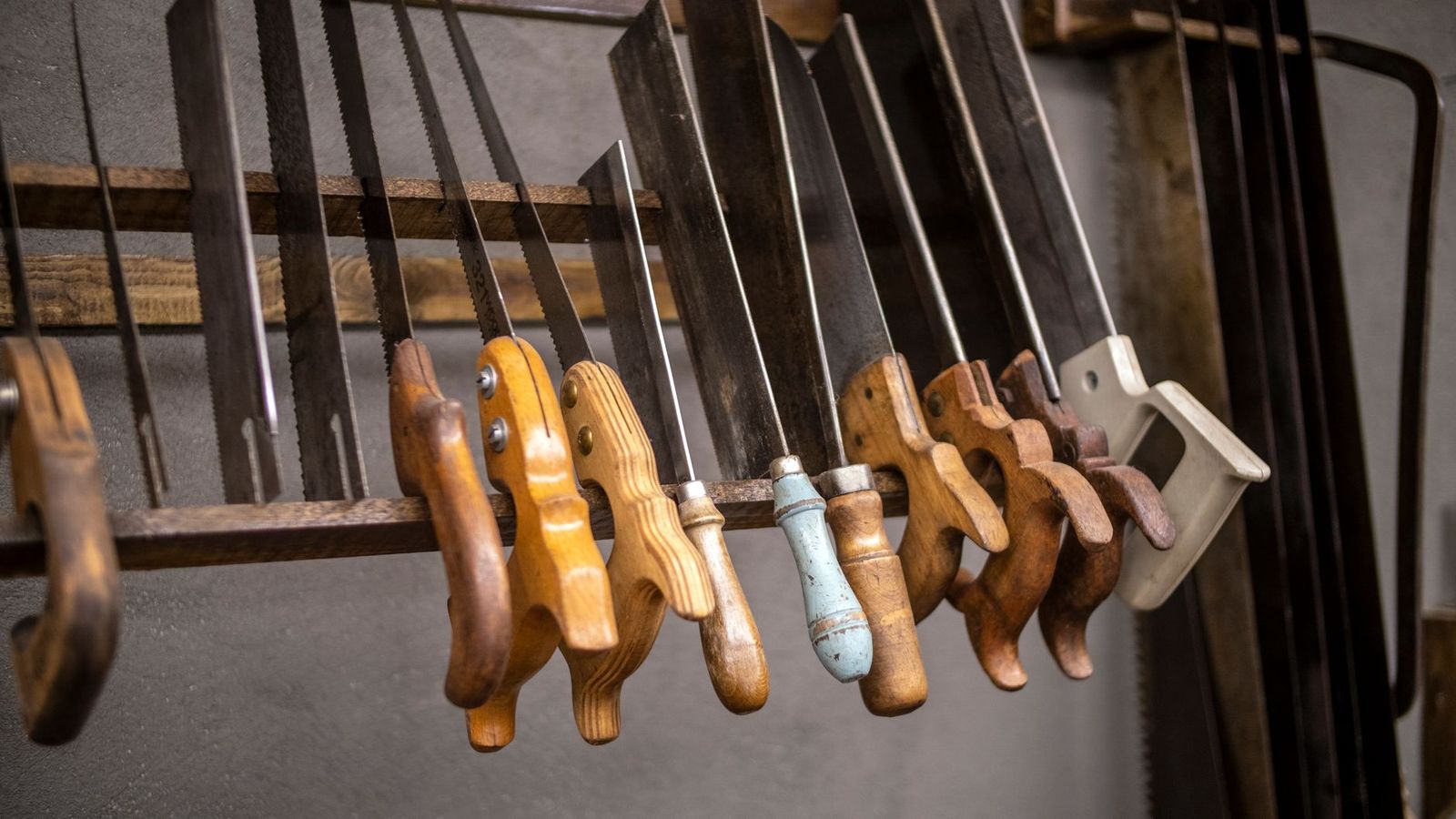
How to Store and Maintain Your Garden Saw

How to Maintain and Sharpen Your Garden Saw

How to Clean and Maintain the Blade of Your Garden Saw

Tips for Handling and Gripping a Garden Saw Properly

Tips for Efficient and Effective Cutting with a Garden Saw

Tips for Cutting Thick Branches with a Garden Saw

Tips for Cutting Straight Lines with a Garden Saw

Tips for Cutting Large Logs with a Garden Saw

Tips for Cutting Curved Shapes with a Garden Saw

Tips for Cutting at Different Angles with a Garden Saw

Tips for Choosing the Right Garden Saw
How to Make Precise Cuts with a Garden Saw

Tips for Choosing the Right Blade for Your Garden Saw

How to Use a Garden Saw Properly

How to Use a Garden Saw for Pruning Shrubs and Hedges

How to Remove Tree Stumps with a Garden Saw

How to Prune Trees with a Garden Saw
How to Ensure Safety While Using a Garden Saw
How to Cut through Different Types of Wood with a Garden Saw
