How to Grow and Harvest Blueberries
Disclosure: We may earn a commission when you buy through links on this page, at no extra cost to you. As an Amazon Associate I earn from qualifying purchases. Learn more
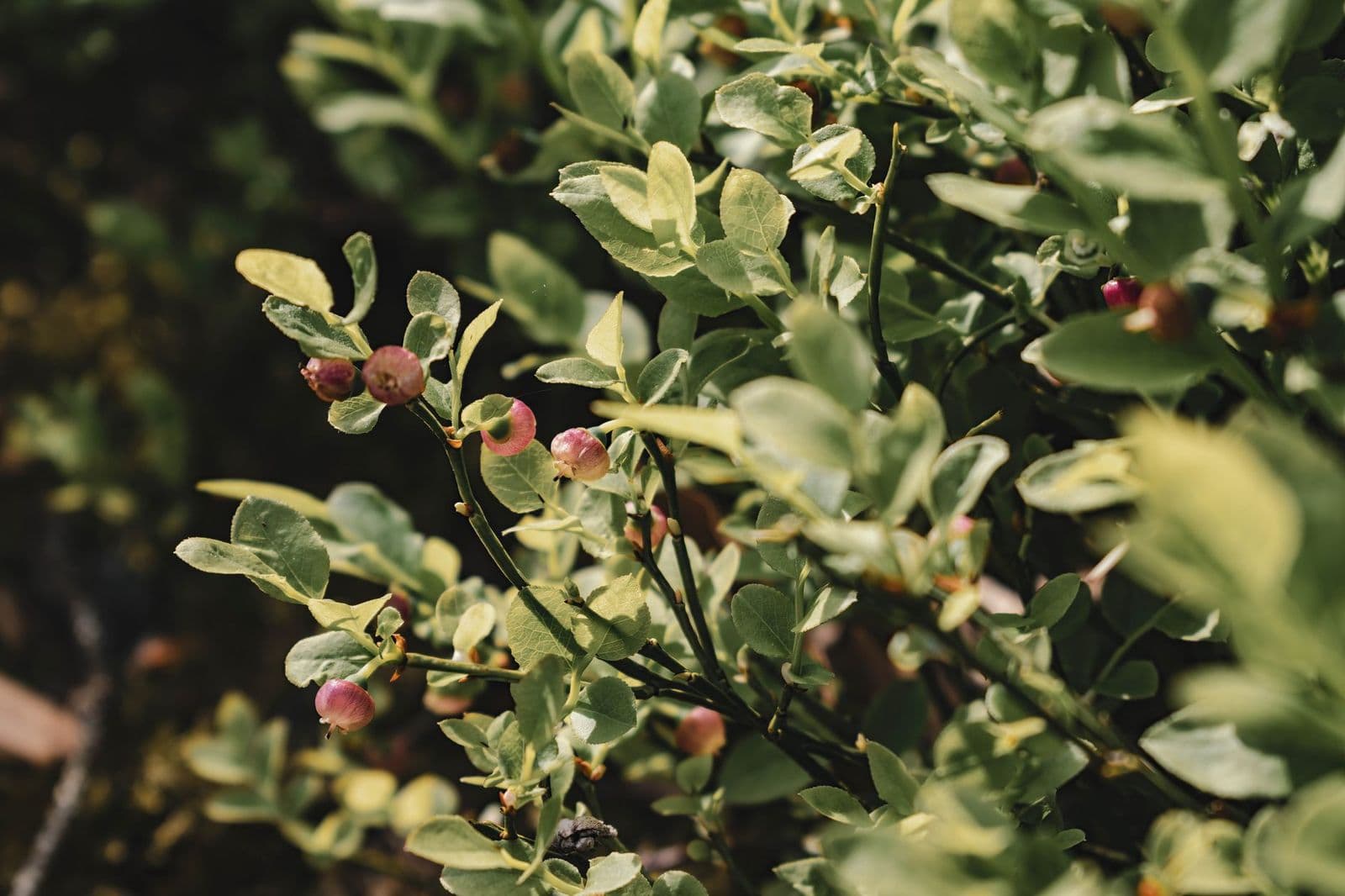
How to grow blueberries at home: acidic soil, varieties, planting, watering, pruning, bird protection and harvesting ripe berries.
Blueberries are one of the most rewarding fruits for a home garden, and once you learn how to grow blueberries, the same bushes can produce sweet, juicy berries for decades. Their one big demand is acidic soil; meet that and they are surprisingly easy.
This step-by-step guide covers choosing varieties, planting, watering, feeding, pruning, protecting and harvesting, plus a few gardeners' notes for a bigger crop.
How to Grow Blueberries Step by Step
To grow blueberries, plant varieties suited to your climate in sunny, well-drained, acidic soil (pH 4.5 to 5.5), keep them evenly moist, feed them with an acid-loving fertilizer and prune them each winter. Each step is explained below.
Selecting Blueberry Varieties
Choose varieties that suit your climate and growing conditions. Northern highbush types need cold winters, southern highbush and rabbiteye types handle mild winters and heat, and half-high varieties stay compact for small spaces or containers.
Also compare chill-hour requirements, disease resistance, ripening time and berry size before you buy.
Planting Blueberry Bushes
Pick a sunny spot with well-draining soil and a pH between 4.5 and 5.5. Most garden soils are less acidic than that, so check your pH first and lower it with soil sulfur or plenty of acidic organic matter if needed.
Dig a hole twice the width of the root ball and mix the soil with organic matter such as compost or peat moss. Plant each bush at the same depth it grew in its nursery pot, and space bushes 4 to 6 feet apart.
Watering and Mulching
Blueberries have shallow roots and need consistent moisture, especially while fruit is forming. Water deeply and regularly so the soil stays evenly moist but never waterlogged.
Spread 2 to 4 inches of organic mulch, such as pine bark or pine needles, around the plants to conserve moisture, suppress weeds and keep the roots cool.
Fertilizing
Blueberries have specific nutritional needs. Use a fertilizer formulated for blueberries or other acid-loving plants, or a slow-release product, and follow the package directions.
Avoid over-fertilizing, which pushes leafy growth at the expense of fruit and can damage the shallow roots.
Pruning Blueberry Bushes
Prune blueberry bushes in late winter or early spring, while they are dormant. Remove dead, damaged or crossing branches first, then thin crowded growth so light and air reach the center of the bush.
On mature bushes, cut one or two of the oldest, least productive canes to the ground each year to make room for vigorous new ones. Bypass hand pruners with a 1 inch capacity handle most canes cleanly.

For very old canes thicker than that, a lopper or small pruning saw works better; our guide on choosing the right garden saw explains which type to pick.
Protecting, Harvesting and Storing Blueberries
Birds are the biggest threat to a blueberry crop, followed by insects and fungal problems. Ripe berries are ready when they are fully blue and come away with a gentle touch.
Protecting from Pests and Diseases
Cover bushes with netting or use bird deterrents as the fruit starts to color. Watch for aphids, fruit flies and signs of disease, and deal with problems early through organic controls and good cultural practices such as pruning for airflow and removing fallen fruit.
Harvesting Blueberries
Blueberries are ready when they have turned completely blue and detach easily with a gentle roll of your thumb. Wait a few days after they first turn blue for the best sweetness, and pick in the cool of the morning. Unripe berries do not get sweeter after picking.
Storing Blueberries
Fresh blueberries are best eaten soon after picking, but they keep in the refrigerator for up to two weeks; wash them just before eating. To freeze them, spread the berries on a baking sheet until frozen, then transfer them to a freezer-safe bag.
Gardeners' Note
Blueberries benefit from cross-pollination, so plant at least two varieties that bloom at the same time for a better fruit set and bigger berries. Prune mature bushes more heavily to keep them renewing and productive.
If your native soil is alkaline, growing in a raised bed or large container filled with an acidic mix is often easier than amending the ground; our guide to the best soil for raised garden beds explains the options.
Conclusion
From choosing the right varieties to providing acidic soil, steady moisture, regular feeding and yearly pruning, these steps give you healthy bushes and a plentiful supply of berries to enjoy fresh or in your favorite recipes. With a little patience, it is easy to grow blueberries that keep producing for many years.