
How to Start a Pressure Washer
Disclosure: We may earn a commission when you buy through links on this page, at no extra cost to you. As an Amazon Associate I earn from qualifying purchases. Learn more
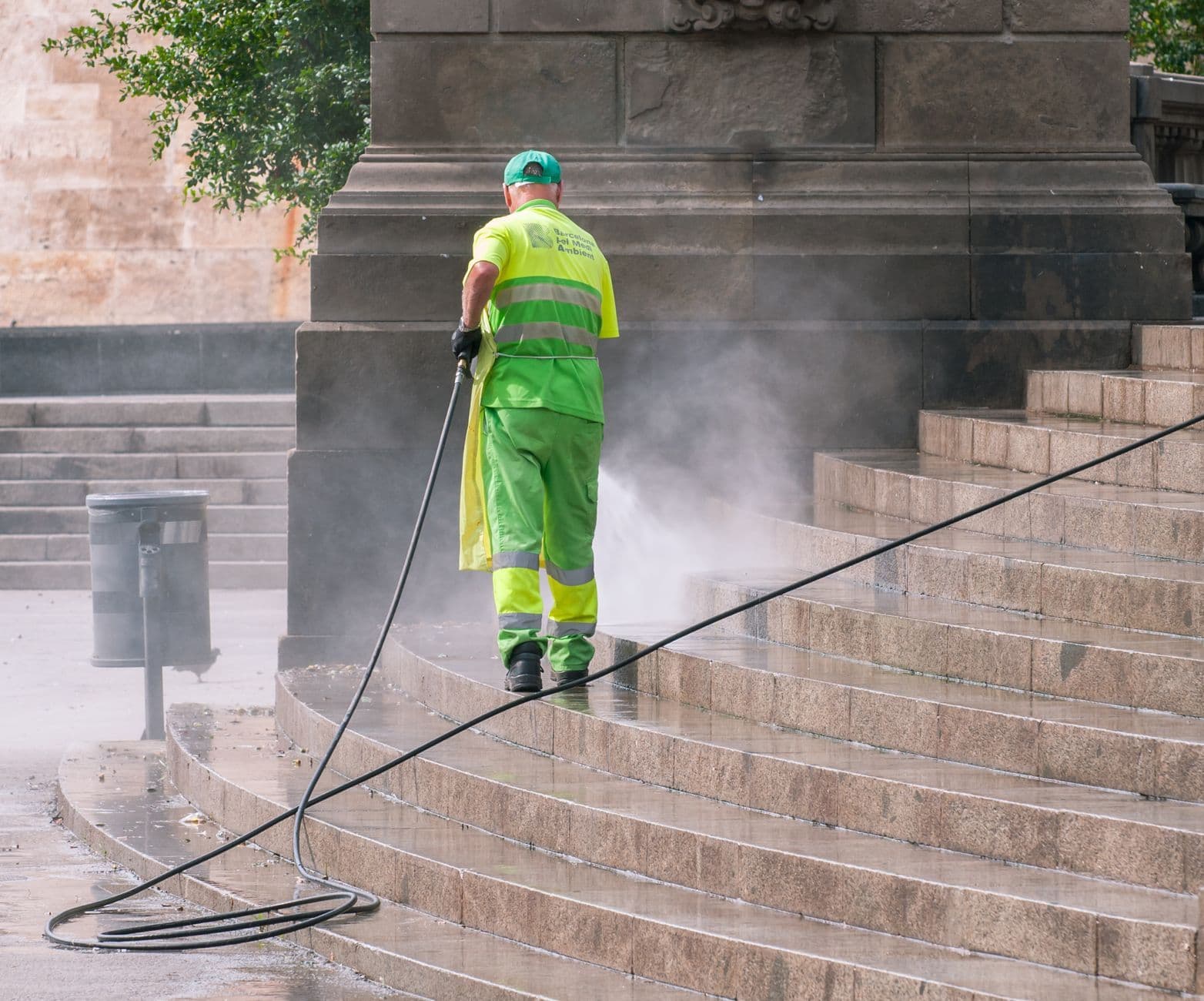
How to start a pressure washer correctly, with water-first steps for electric and gas units and no-start fixes.
Learning how to start a pressure washer correctly protects both the pump and you. The most common mistake is squeezing the trigger on a dry pump, which can overheat and ruin it within a minute or two. The second most common is skipping the check that keeps a gas engine happy.
The steps below cover electric and gas units, plus the fixes for the usual no-start problems. Your owner's manual always comes first, since each model has its own fuel, oil, and priming details.
Before You Start: Setup and Safety
Set the machine up on a flat, stable surface in a well-ventilated outdoor spot. Gas pressure washers must only be run outdoors and well away from windows, doors, and vents, because the exhaust contains carbon monoxide. Never run one in a garage, even with the door open.
Wear safety glasses, closed shoes, and gloves. Make sure the area is clear of people and pets, and decide where you will aim the spray before starting. Never point the wand at yourself, others, animals, outlets, or electrical equipment. Keep the cord and hose out of puddles and off walkways.
- Check the hose, gun, and wand for cracks, leaks, or loose fittings.
- Look at the high-pressure hose for kinks and uncoil it fully.
- Remove the nozzle tip until the pump is primed, if your manual advises it.
- Confirm the nozzle is clean, since a clogged tip causes pressure spikes.
Connect the Water Supply First
The pump needs a steady supply of water before the motor runs. Connect your garden hose to the water inlet, hand-tighten it, and make sure the inlet screen is in place and clean. Use a hose that is long enough to reach without pulling on the connection.
Next, attach the high-pressure hose to the pump outlet and the gun, then connect the wand. Turn the water on fully, then squeeze the trigger on the gun until water flows steadily from the wand with no sputtering. This purges air from the lines, usually in about thirty seconds. Only after a steady stream appears should you start the machine, and then you can attach the chosen nozzle tip.
How to Start a Pressure Washer: Electric Models
An electric unit is the simplest to start once water is flowing. Plug it into a grounded outlet, preferably one protected by a GFCI, and check that the plug and cord are dry and undamaged. Avoid long extension cords unless the manual lists a suitable gauge and length.
Then follow this sequence:
- Confirm the trigger is locked or released, and the nozzle points at a safe target.
- Turn the power switch on. Some models start only when you squeeze the trigger.
- Squeeze the trigger and wait for the pressure to build.
- Release the trigger and listen for the motor to stop or idle, as designed.
If the machine will not run, check the outlet, the GFCI, and the safety lock first. Many electric units also have a thermal protector that trips when they overheat, so give it time to cool before trying again.
How to Start a Gas Pressure Washer
A gas unit needs a few checks before the pull cord. Make sure the engine has the oil level the manual calls for, and that there is fresh fuel of the type specified in the manual. Old gasoline is behind most no-start complaints, particularly after winter storage.
Once the water is connected and the lines are purged, set the engine controls. These are typically the fuel valve open, the choke closed (for a cold engine), and the engine switch on. Hold the gun firmly and pull the starter cord with a smooth, strong motion. Open the choke gradually as the engine settles. Many machines have a primer bulb, so press it as the manual states.
Do not leave the engine running for long with the trigger released, because the pump can overheat. Most manuals advise shutting off after a short period of idling.
If It Will Not Start or Loses Pressure
If it does not start, the cause is usually simple. Work through the list from easiest to hardest, and turn off the engine and relieve pressure before touching anything.
- No water in the pump, or the inlet screen is blocked.
- Air trapped in the hose, which you can clear by running water through with the machine off.
- For gas units: stale fuel, a clogged air filter, a fouled spark plug, or a low-oil shutoff.
- For electric units: tripped GFCI, a bad extension cord, or an overheated motor.
- Low pressure while running: a clogged nozzle tip, a kinked hose, or a worn pump seal.
If you spot a leak, a swollen hose, or a cracked fitting, shut down and read how to repair pressure washer hose problems before going on.
Shut It Down Properly
Shutting down correctly makes the next start easier. Switch the engine or motor off, close the water supply, and squeeze the trigger to release the trapped pressure. Disconnect the hoses, drain residual water, and store the gun and wand where they will not get damaged.
For long breaks or freezing weather, follow the steps in how to winterize a pressure washer. If you are ready to put your machine to work, a deck is a good first project: see how to pressure wash a deck.
Handy Checks Before Every Session
A thirty-second routine before each session prevents most problems. Look over the power cord, plug, hose, and fittings, check that the inlet screen is clean, and confirm the nozzle is the right type for the job. Make sure the gun's safety lock works, and that the trigger returns smoothly when released.
Pick the nozzle to match the surface. A wide fan tip suits decks, siding, and vehicles, while narrower tips are for concrete and tough dirt, and should be used with care and from a safe distance. If you plan to wash a deck or a car, our guides on how to pressure wash a deck and how to wash a car with a pressure washer explain the settings and technique that protect each surface.
Finally, keep a clean, dry place for the machine and its accessories. If you are shopping for a new unit, our best pressure washers guide lists current options.
FAQ
Why must the water be turned on before I start the machine?
The pump uses water to cool and lubricate itself. Running it dry for even a short time can damage the seals and the pump. Always purge air from the lines first.
Can I use an extension cord with an electric pressure washer?
Only if the manual allows it. A thin or long cord can overheat and starve the motor. If the manual permits one, use the gauge and length it lists, and keep connections off wet ground.
Why does my gas pressure washer start and then die?
The usual causes are stale fuel, a dirty air filter, a clogged fuel line, or the oil level safety switch. Refresh the fuel, check the filter and oil, and consult the manual before further troubleshooting.
Do I need to change the nozzle before starting?
Start with a wide fan tip and move to a narrower one only if you need it. A narrow, high-pressure tip can damage surfaces and cause injury, so keep the nozzle aimed at a safe spot until you are ready.
To sum up, how to start a pressure washer safely means water first, air purged, a safe spot, and the manual's startup steps.


