How to Wash a Car With a Pressure Washer
Disclosure: We may earn a commission when you buy through links on this page, at no extra cost to you. As an Amazon Associate I earn from qualifying purchases. Learn more

How to wash a car with a pressure washer safely: settings, foam, soap, and the mistakes that damage paint.
If you want to know how to wash a car with a pressure washer, the key is gentle settings and the right soap, not brute force. A pressure washer rinses grit off much faster than a bucket and hose, and a foam cannon can loosen dirt before you ever touch the paint. Used carelessly, the same tool can strip wax, peel loose paint, and force water past seals.
Here is a safe, step-by-step method, plus the two accessories that make the biggest difference. For other uses of your machine, see how to pressure wash a deck.
Check Your Washer and Settings First
Car washing needs less pressure than most outdoor jobs. Many electric units in the lower pressure range suit vehicles well, and a gas unit works too if you stay at a safe distance with a wide tip. Check your manual and any guidance from the vehicle manufacturer.
Use a wide fan tip (a 40 degree tip is a common starting point) and never a narrow or zero degree tip. Keep the nozzle at least a foot or two from the paint, and farther at first. Peeling clear coat, chipped paint, rust spots, and loose trim are warning signs: spray those areas gently or avoid them. Keep the spray away from the engine bay, exposed electrical parts, door seals, and sensors.
If you have not started the machine yet, read how to start a pressure washer to make sure the pump is primed.
Gather the Right Supplies
A short, simple kit gives better results than a full detailing shelf. Gather these items before you begin:
- A pressure washer with a wide fan tip and a quick-connect fitting.
- A foam cannon (optional, but very helpful for loosening dirt).
- A car wash soap that is made for vehicles, not household detergent.
- A soft wash mitt, a second bucket for rinsing the mitt, and microfiber towels.
- Wheel and tire brushes, and a separate mitt for the lower panels.
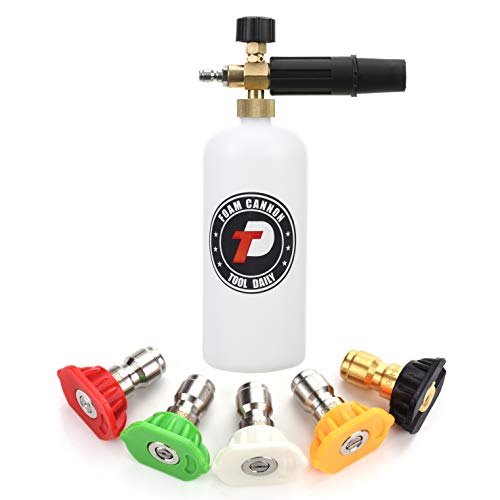
Tool Daily Foam Cannon: best for adding foam to a quick-connect washer
This 1 liter foam cannon has a 1/4 inch quick-connect fitting, an adjustable knob for foam thickness, and a set of five nozzle tips at different angles. It must be connected to a pressure washer gun or wand, so it will not work on a regular garden hose. It is also a plastic and brass tool that is best for light and medium dirt, so skip it if your washer does not accept a 1/4 inch quick connector.

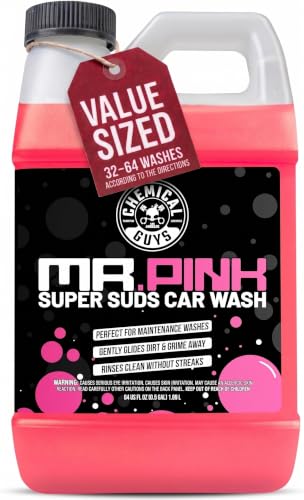
Chemical Guys Mr. Pink Car Wash Soap: best for a pH-balanced foaming soap
This 64 ounce soap is described as pH-balanced, safe on wax, sealant, and ceramic coatings, and made for foam cannons, foam guns, or a bucket wash. It is highly reviewed and widely used. The limitation is that it is a wash soap, not a stripping cleaner, so heavy road film or tar needs a separate product. Skip it if you want a soap that removes wax.

How to Wash a Car With a Pressure Washer Step by Step
The sequence matters: loosen the dirt, let the soap work, then touch the paint as little as possible. Park in the shade if you can, and make sure the paint is cool to the touch.
- Rinse the whole car from the top down with the wide tip, to knock off loose grit. Spend extra time on the wheel wells, lower panels, and rocker areas where mud collects.
- Apply foam with the cannon, starting at the roof and working downward, and let it sit for a few minutes without letting it dry.
- Wash gently with a clean mitt, using straight, light strokes. Rinse the mitt often in the second bucket so you do not drag grit across the paint.
- Clean the wheels and tires last with their own brushes, since brake dust is the dirtiest part of the car.
- Rinse again from the top down, making sure no soap remains in panel gaps, mirrors, or trim.
Hold the wand steady at a sensible distance and do not point it at seams, emblems, or the edges of decals. Avoid aiming directly at wheel bearings, door handles, and window seals, which can let water into places it should not go.
Dry and Finish the Job
Drying quickly prevents water spots. Use clean microfiber towels or a car dryer, and blot or pat the surface in one direction. Start on the glass and the roof, then work down the sides, and finish with the lower panels.
Once the car is dry, it is a good time to apply a spray sealant or wax if you want longer protection. Be careful to dry door jambs and mirrors, because water drips out of those later. Check your garden hose, spray gun, and fittings for leaks as you pack up, and read how to repair pressure washer hose problems if any connections look worn.
Mistakes That Damage Paint
A few simple habits cause nearly all car-washing damage. Watch for these:
- Using a narrow tip or standing too close, which can chip paint or lift trim.
- Washing in direct sun, so soap dries and leaves marks.
- Using dish soap or household cleaners, which can strip wax and dry out rubber.
- Skipping the pre-rinse and rubbing grit into the paint with a mitt.
- Spraying engine bays, electrical connectors, or damaged seals.
Wheels, Tires, and Dirty Lower Panels
The wheels and lower panels hold the worst dirt, so treat them separately. Use a dedicated brush and mitt for wheels and the lowest part of the body, and never use those on the upper panels. Brake dust and road grime are abrasive, and carrying them to the hood or roof is a common cause of fine scratches.
Rinse wheel wells from a safe distance, and avoid spraying directly at brake components, sensors, or any part of the car the owner's manual warns against. Heavy mud or sand should be rinsed away before any brush touches the surface. If your hose has been stored for a long period, check it first, as explained in how to repair pressure washer hose problems, so a leak does not interrupt the wash.
Washing a car is also a gentle job that suits lighter machines, so see the best electric pressure washers if you are shopping for one. A sturdy, well-built unit makes the work faster, and the best pressure washers guide covers stronger options for other chores around the house and yard.
Finally, keep your wash mitts and towels clean. Wash them separately from other laundry, skip fabric softener, and let them dry fully, so they stay absorbent and gentle on the paint. Rinse your foam cannon with clean water after each use so soap does not dry inside and clog the nozzle.
FAQ
Can a pressure washer damage car paint?
Yes, if the tip is too narrow or the nozzle is too close. Use a wide fan tip, keep your distance, and avoid areas with chipped paint or peeling clear coat.
Do I need a foam cannon to wash a car with a pressure washer?
No, but it helps. Foam clings to the paint and loosens dirt before you touch it, which lowers the chance of scratching. You can still use a bucket and mitt after a rinse.
Can I use regular soap in a foam cannon?
It is better to use a soap designed for cars. Household detergents can strip wax and may harm rubber and trim over time.
How often should I wash my car this way?
Every couple of weeks is typical, or sooner after road salt, bird droppings, or heavy dirt. The gentler the method, the more often you can safely do it.
Now that you know how to wash a car with a pressure washer, you can keep the paint looking sharp with very little effort. See our pressure washers section for more gear.