Best Soil For Raised Garden Beds
Disclosure: We may earn a commission when you buy through links on this page, at no extra cost to you. As an Amazon Associate I earn from qualifying purchases. Learn more

The best soil for raised garden beds: soil types, proven mixes, bagged raised bed blends and how to keep bed soil fertile.
Raised garden beds offer better drainage, healthier soil and easier maintenance, but the best soil for raised garden beds is what really decides how well your plants grow. A good mix stays loose, drains freely, holds enough moisture and feeds roots for the whole season.
Below we explain the main soil types, the mixes gardeners rely on most, a few ready-made bagged blends worth considering, and how to keep raised bed soil healthy year after year.


Types of Soil for Raised Beds
Raised beds are usually filled with a combination of topsoil, garden soil, potting mix and compost. Each one plays a different role, and the best results come from blending them.
Topsoil
Topsoil is the upper layer of natural soil, rich in organic matter and minerals. It gives a raised bed weight and structure, but on its own it can be heavy and may need amendments to drain well and stay fertile.
Garden Soil
Garden soil is a pre-mixed blend that usually combines topsoil with compost and sometimes peat moss or vermiculite. It is formulated as a balanced growing medium for in-ground and raised beds.
Potting Mix
Potting mix is made for containers. It is lightweight, drains quickly and still holds moisture, thanks to ingredients such as peat moss, coconut coir, vermiculite and perlite. In a raised bed it lightens heavier soil, though a bed filled only with potting mix dries out fast and settles.
Compost
Compost is decomposed organic matter such as kitchen scraps, yard waste and leaves. It improves soil structure, fertility and moisture retention, and it feeds the soil life that keeps a raised bed productive.
Best Soil for Raised Garden Beds: Proven Mixes
The best soil for a raised bed is a loose, fertile blend of topsoil or garden soil, compost and a light ingredient for aeration. Which mix suits you depends on your plants, your budget and the soil you already have.
Mel's Mix
Mel's Mix comes from Mel Bartholomew, the creator of Square Foot Gardening. It is equal parts compost, vermiculite and peat moss (many gardeners swap in coconut coir). It drains well, stays airy and holds nutrients, though filling a large bed this way costs more than a topsoil-based blend.
Loamy Soil
Loam is a balanced mix of sand, silt and clay and is ideal for most plants because it drains, holds moisture and supplies nutrients. If your native soil is already loamy, you may only need to blend it with compost before filling the bed.
Custom Mix
A common custom recipe is roughly 60 percent topsoil, 30 percent compost and 10 percent perlite, vermiculite or pumice, or simply equal parts topsoil, compost and a soilless mix. Adjust the ratio to your plants: more compost for heavy feeders like tomatoes, more grit for herbs that dislike wet roots.
Bagged Raised Bed Soils Worth Considering
Ready-made raised bed mixes save the work of blending your own and are handy for small beds or topping up. These bagged blends are made specifically for raised beds; details come from each maker's listing.
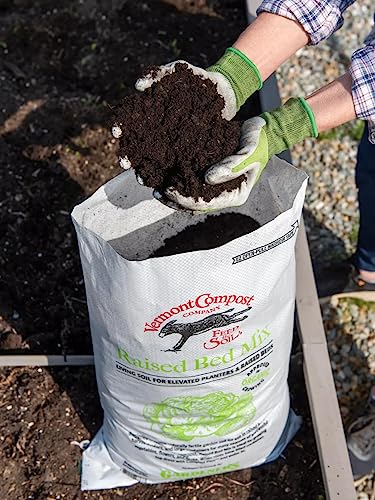
Vermont Compost Raised Bed Mix: Best Compost-Rich Blend
This mix is built on a generous share of mature compost, blended with sphagnum peat, coconut coir, crushed granite and basalt, kelp meal, bone meal and vermiculite. The maker designed it to resist compaction and act like naturally fertile garden soil for several seasons, which suits vegetable beds and large planters.
The limitation is size: one bag holds only 20 quarts and costs around $50, so it is expensive for filling a whole bed. Skip it if you need to fill a large bed on a budget; it works best as a premium top layer or for small planters.
Espoma Organic Raised Bed Mix: Best for Filling or Refreshing Beds
Espoma's 1.5 cubic foot bag is enriched with earthworm castings, alfalfa meal, kelp meal and feather meal, plus Myco-tone mycorrhizae to support roots. It is ready to use and works both for filling new beds and improving the soil in existing ones, at around $33 a bag.
Like most bagged mixes, it settles over the season, so plan to top up each spring. Skip it if you want a heavy, topsoil-based blend for a very deep bed.

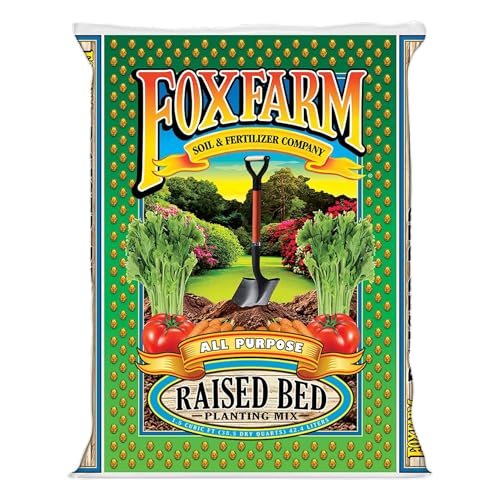
FoxFarm Raised Bed Planting Mix: Best Ready-to-Pour Option
FoxFarm's mix is made with aged forest products, sphagnum peat moss, earthworm castings, oyster shell and dolomite lime. It needs no mixing, holds moisture while draining well, and comes in a 1.5 cubic foot bag for around $32.
The forest-product base makes it light, so deep beds need many bags. Skip it if you prefer a peat-free blend.

Coast of Maine Castine Blend: Best for Living Soil
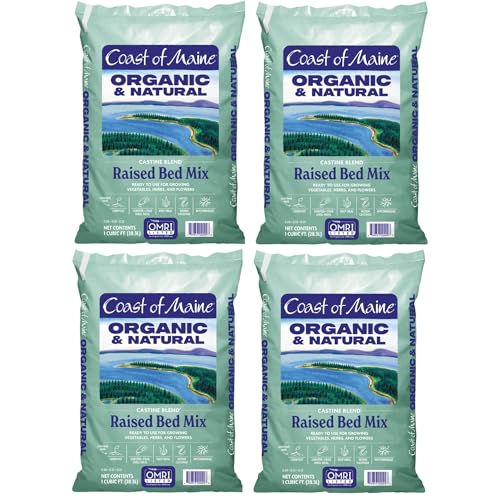
This OMRI Listed blend combines compost, sphagnum peat, aged bark, biochar, mycorrhizae, worm castings, kelp meal, greensand and lobster and crab shell meal for slow-release nutrition. It comes as a four-pack of 1 cubic foot bags for around $88.
The price per cubic foot is on the high side. Skip it if you are filling several large beds and want to keep costs down; a custom topsoil and compost blend will be cheaper.

How to Fill and Maintain Raised Bed Soil
For deep beds, you do not need premium mix all the way down. Many gardeners fill the bottom third with a cheaper topsoil blend or even logs and branches, then put the best mix in the top 8 to 12 inches, where most roots grow.
Raised bed soil settles and loses organic matter each year. Add 1 to 2 inches of compost every spring or fall, mulch the surface to slow moisture loss, and avoid walking on the bed so the soil stays loose. Loose, stone-free soil is exactly what root crops need, as our guide on how to plant carrot seeds explains.
Frequently Asked Questions
Can I use regular garden soil in a raised bed?
Yes, if it is good quality, but blend it with compost and a light amendment so it does not compact. Native clay soil on its own drains poorly in a raised bed.
Can I fill a raised bed with only potting mix?
You can for small or shallow beds, but potting mix alone dries out quickly and shrinks as it breaks down. A blend with topsoil and compost holds moisture and nutrients longer.
How much soil do I need for a raised bed?
Multiply length by width by depth in feet to get cubic feet. A 4 by 8 foot bed that is 1 foot deep needs 32 cubic feet, or a little over one cubic yard.
Editor's Note
When choosing soil for your raised beds, prioritize quality and composition. Avoid soil from unknown or possibly contaminated sources, which can bring in pests, diseases or weed seeds, and buy from reputable suppliers.
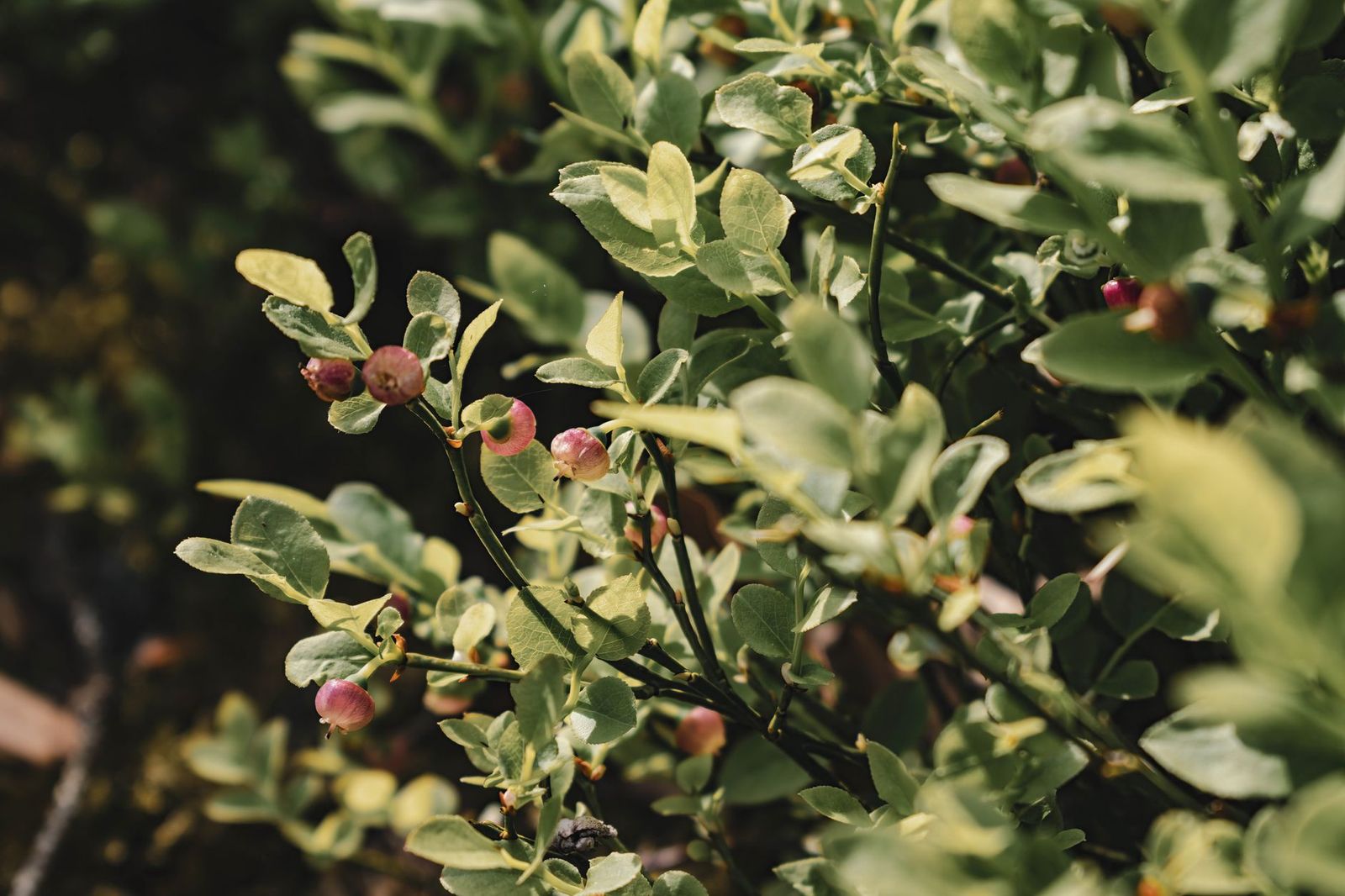
Amend the soil regularly with compost to maintain long-term fertility and structure, and check the pH and nutrient levels with a soil kit every year or two so you can adjust as needed. Some plants, such as blueberries and other acid-loving crops, need a lower pH than most vegetables, so research what your plants prefer. A little planning up front gives you the best soil for raised garden beds and healthier harvests for years.