How to Grow and Care for Spinach
Disclosure: We may earn a commission when you buy through links on this page, at no extra cost to you. As an Amazon Associate I earn from qualifying purchases. Learn more
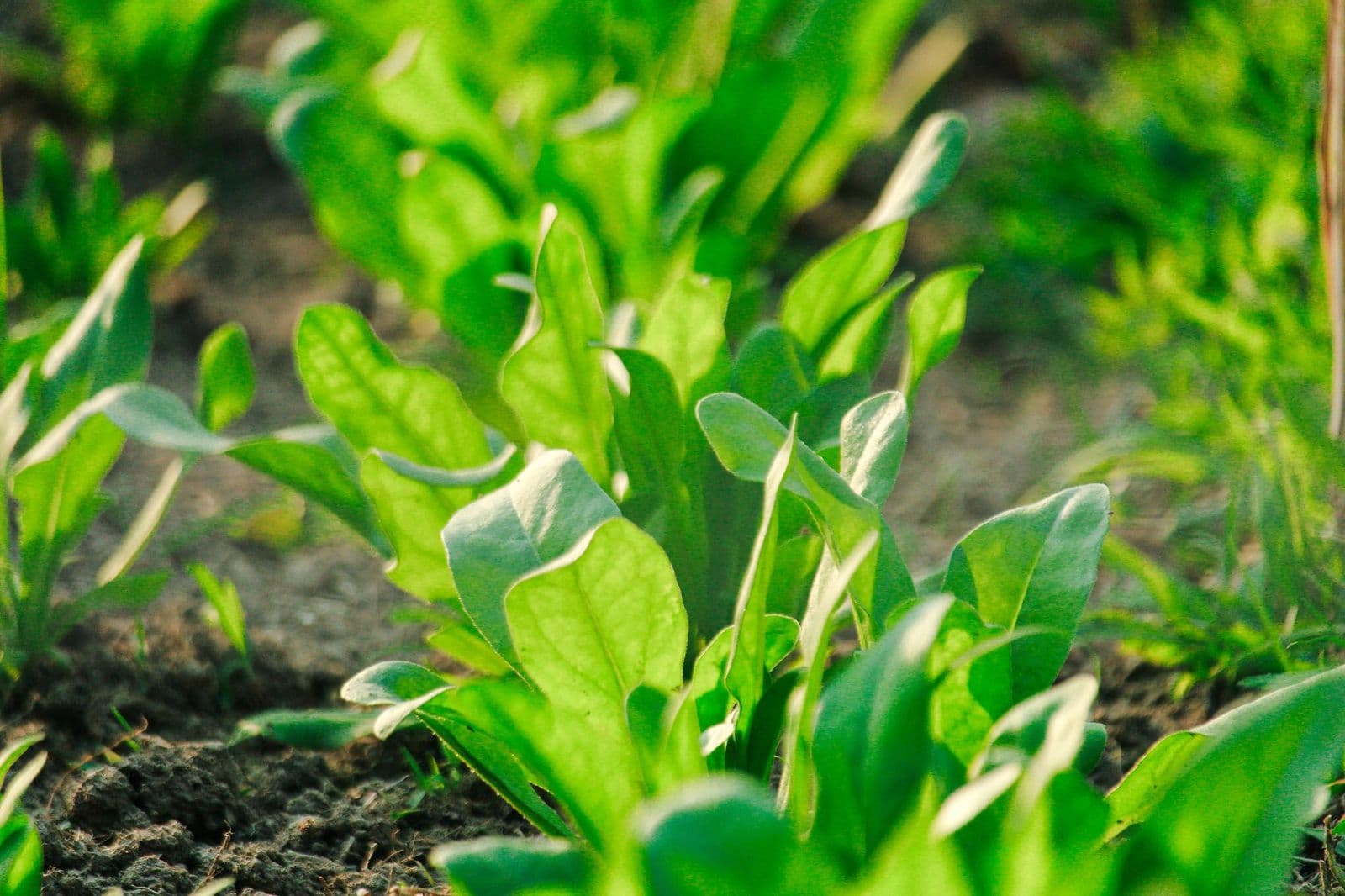
How to grow spinach from seed to harvest: soil, watering, thinning, feeding, pests and picking leaves for repeat harvests.
Spinach is a nutritious leafy green that is easy to grow spinach in almost any setting, from a roomy vegetable plot to a single container on a balcony. It loves cool weather, grows fast and rewards a little attention with several harvests from the same plants.
This guide walks you through planting, watering, thinning, feeding and harvesting, so you can keep fresh leaves coming for salads, smoothies and cooking.
How to Grow Spinach
To grow spinach, sow seeds directly into loose, fertile soil in a spot with full sun or light shade, keep the soil evenly moist and thin the seedlings once they are a few inches tall. Cool weather is the key: spinach grows best in spring and fall and tolerates light frost.
Choosing a Location
Pick a spot that gets full sun in cool climates or partial shade where spring warms up quickly. Afternoon shade slows bolting, the point where the plant sends up a flower stalk and the leaves turn bitter. Spinach also grows well in containers at least 6 to 8 inches deep.
Preparing the Soil
Loosen the bed with a garden fork or tiller, then remove weeds, roots and debris. Work in compost or well-rotted manure to improve fertility and drainage. Spinach prefers rich, crumbly soil that holds moisture without staying soggy.
Planting Spinach Seeds
Sow seeds directly into the prepared soil, following the spacing on the seed packet. Plant them about half an inch deep and cover them with a thin layer of fine soil. Sowing a short row every two weeks gives you a steady supply instead of one big harvest.
Watering
Keep the soil consistently moist throughout the season. Aim for about 1 inch of water per week from rain or irrigation, and water deeply and evenly rather than giving frequent light sprinkles. Avoid overwatering, since soggy soil invites root rot.
Thinning and Transplanting
Once seedlings are a few inches tall, thin them to about 4 to 6 inches apart so each plant has room to develop. The thinned seedlings make a tasty first harvest.
If you would rather keep them, transplant the extra seedlings to another part of the garden or into containers. Handle the delicate roots carefully and water them well after moving.
How to Care for Spinach
Spinach care comes down to steady nutrients, mulch to hold moisture, and regular checks for pests and disease. A few minutes a week keeps the plants productive until warm weather arrives.
Fertilization
Spinach is a heavy leaf producer, so it benefits from nutrient-rich soil. Mix a balanced organic fertilizer or compost into the bed before planting.
Halfway through the season, side-dress the plants with compost or a slow-release organic fertilizer to support continuous growth. Pale, yellowing leaves usually mean the plants need more nitrogen.
Mulching
Spread a layer of organic mulch around the base of the plants to conserve moisture, suppress weeds and keep the soil temperature steady. Straw, grass clippings or shredded leaves all work well, and cooler soil also delays bolting.
Pests and Diseases
Watch for aphids, slugs and snails, and inspect the undersides of leaves regularly. Control pests with insecticidal soap or other organic methods, and hand-pick slugs in the evening.
To prevent diseases such as downy mildew, avoid overhead watering and leave enough space between plants for air to circulate.
Harvesting Spinach
Harvest spinach leaves once they reach about 4 to 6 inches long. Pick the outer leaves first and leave the inner leaves to keep growing, which lets you harvest the same plants several times.
Use clean, sharp scissors or garden shears and cut the leaves at the base. Harvest in the morning, when the leaves are crisp and full of water, for the best flavor and texture. When plants start to bolt, harvest the whole plant at once.
Frequently Asked Questions
When should I plant spinach?
Plant spinach in early spring as soon as the soil can be worked, and again in late summer for a fall crop. It germinates best in cool soil and slows down or bolts once days turn long and hot.
Why is my spinach bolting?
Spinach bolts mainly because of long days and warm temperatures. Sow early, give the plants afternoon shade, keep them well watered and choose slow-bolting varieties to extend the harvest.
Can I grow spinach in containers?
Yes. Use a container at least 6 to 8 inches deep with drainage holes and a quality potting mix, and water more often than you would in the ground because pots dry out faster.
Editor's Note
Growing spinach is a rewarding project that puts a fresh, nutritious green on your table straight from the garden. Choose a variety suited to your climate, and remember that spinach prefers cool temperatures and consistent moisture, so check your plants often and adjust watering as the weather changes.
If you also want greens through the winter, see our guide on how to grow lettuce indoors. Enjoy the process, and use what you learn to grow spinach season after season for your favorite dishes.