How To Grow Lettuce Indoors
Disclosure: We may earn a commission when you buy through links on this page, at no extra cost to you. As an Amazon Associate I earn from qualifying purchases. Learn more
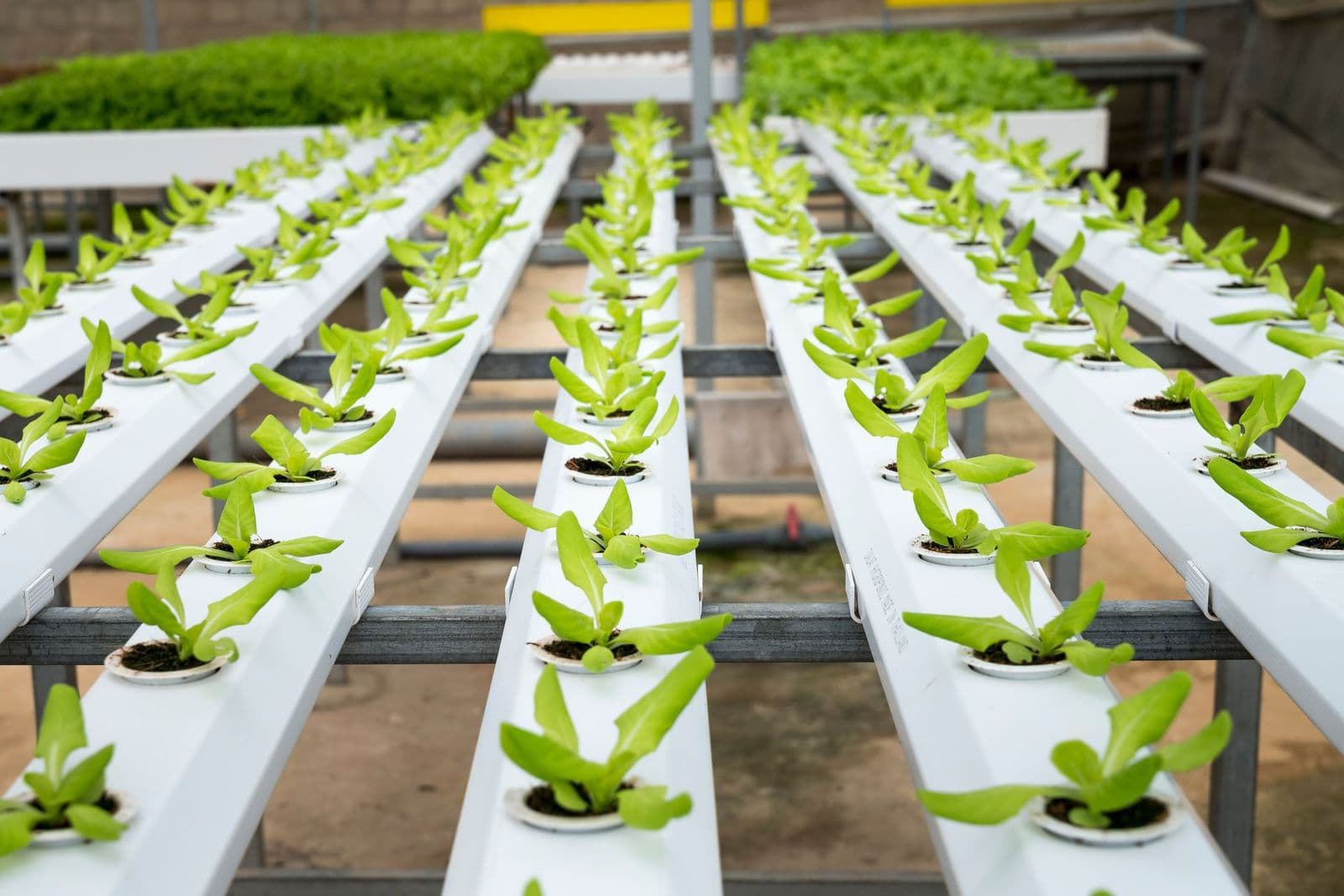
How to grow lettuce indoors: light, temperature, potting mix, sowing, watering and harvesting leaves so the plants keep regrowing.
Lettuce is a versatile, nutritious leafy green that is easy to grow lettuce indoors, which means fresh, crisp leaves all year no matter what the weather is doing outside. A sunny window or a simple grow light is enough to get started.
This guide explains the conditions lettuce needs, how to choose varieties, plant, water and harvest, and answers the most common questions about indoor lettuce.
Ideal Growing Conditions for Indoor Lettuce
Indoor lettuce needs plenty of light, cool to moderate temperatures and a loose, well-draining potting mix. Get these right and the plants practically grow themselves.
Light
Lettuce needs plenty of light to grow and thrive. Place your plants where they get at least 6 to 8 hours of direct sunlight a day, such as a south-facing window. If natural light is limited, add a grow light to keep the plants compact and leafy instead of tall and pale.
Temperature
Lettuce prefers cool temperatures between 45°F and 75°F (7°C to 24°C). Keep pots away from heaters, radiators and cold drafts, since extreme heat makes lettuce bitter and prone to bolting.
Soil
Use a well-draining potting mix rich in organic matter. It should hold moisture while letting excess water drain away, which prevents root rot. Avoid garden soil in pots, because it compacts and drains poorly.
How to Grow Lettuce Indoors
To grow lettuce indoors, fill a shallow container with potting mix, sow seeds on the surface, keep them evenly moist and give them strong light. Most varieties are ready to pick in about a month.
Selecting Lettuce Varieties
Choose varieties that suit indoor growing. Loose-leaf lettuce, butterhead and compact romaine are popular choices because they stay small and regrow after cutting.
Think about the space you have and your preferences for leaf color, texture and taste. A mix of red and green leaf types looks great on a windowsill and gives you a varied salad.
Planting
Fill a shallow container or individual pots with potting mix, leaving about half an inch of space at the top. Make sure the containers have drainage holes.
Scatter lettuce seeds evenly over the surface and press them lightly into the mix, then cover them with a very thin layer of soil, since lettuce seeds need some light to germinate. You can also start with young transplants from a local nursery.
Watering
Keep the soil consistently moist but not waterlogged, letting the surface dry slightly between waterings. Use a small watering can or a spray bottle so you do not wash away seeds or knock over delicate seedlings.
Empty any saucers after watering so the pots never sit in standing water.
Harvesting
Harvest lettuce leaves once they reach the size you like. Either pick the outer leaves individually or cut the whole plant about an inch above the soil so it can regrow.
Regular harvesting encourages fresh growth and keeps a steady supply of lettuce coming. Sow a new pot every few weeks to keep the harvest going.
Frequently Asked Questions
How long does it take to grow lettuce indoors?
Lettuce can be ready to harvest in as little as 4 to 6 weeks from sowing, depending on the variety and conditions. Loose-leaf lettuce matures faster than head lettuce.
Can I grow lettuce indoors without natural sunlight?
Yes. Lettuce grows well under artificial light alone. Choose full-spectrum LED or fluorescent grow lights and provide 12 to 16 hours of light per day, keeping the lights a few inches above the leaves.
Can I reuse potting soil for lettuce?
Fresh potting mix is best for each new planting because it lowers the risk of disease and supplies enough nutrients. If you do reuse old mix, refresh it with compost first.
How do I keep pests off indoor lettuce?
Inspect plants regularly for pests such as aphids and fungus gnats, and treat them with insecticidal soap or other organic methods. Good airflow, clean pots and not overwatering also go a long way toward preventing problems.
Final Thoughts
With a bright spot, a good potting mix and steady moisture, anyone can enjoy homegrown salad greens through every season. For an outdoor leafy green with similar needs, read how to grow and care for spinach. Start with one or two pots, learn what your plants like, and you will soon grow lettuce indoors with confidence.