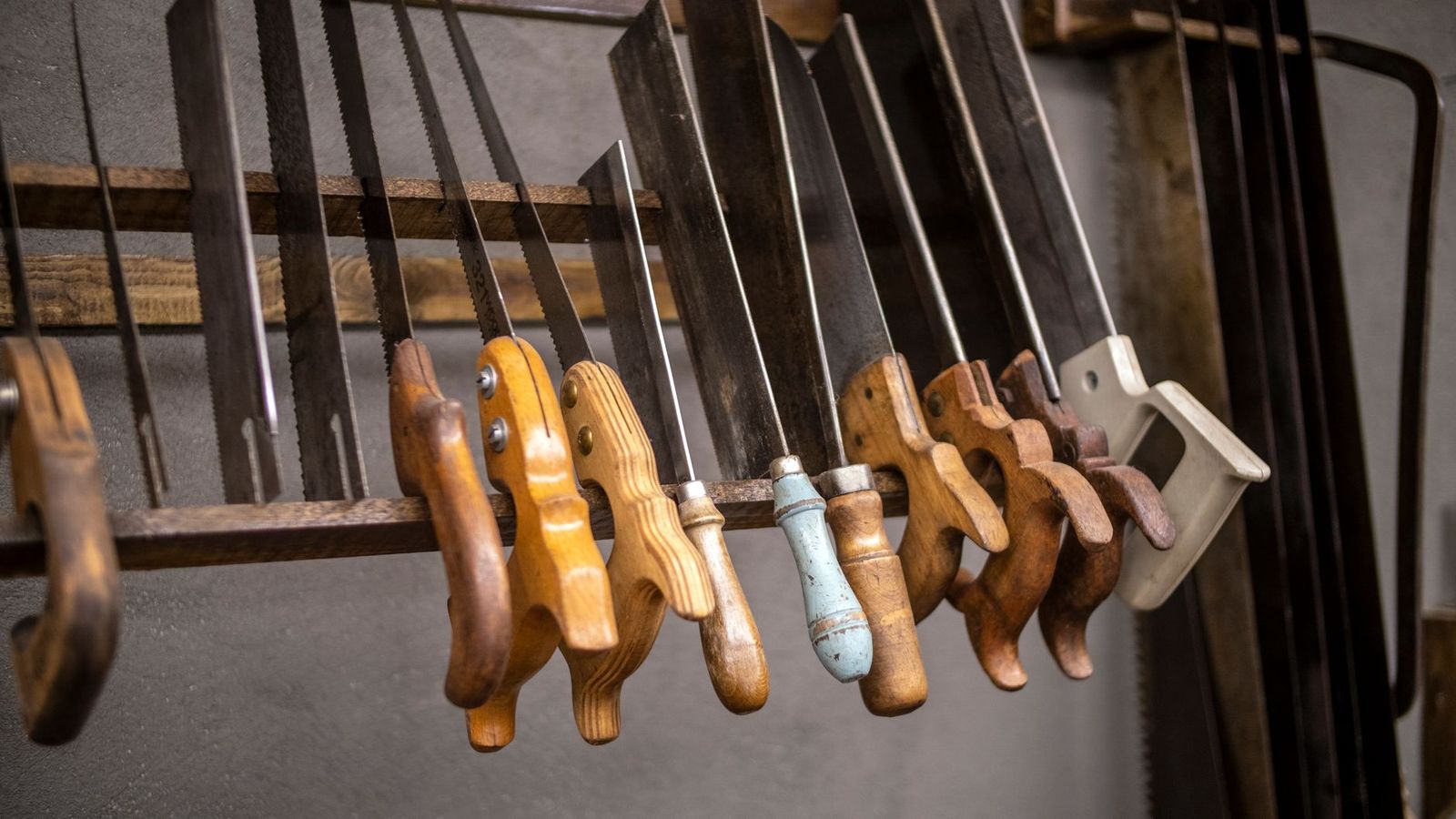
Tips for Choosing the Right Garden Saw
Disclosure: We may earn a commission when you buy through links on this page, at no extra cost to you. As an Amazon Associate I earn from qualifying purchases. Learn more

Tips for choosing the right garden saw by job, blade length, teeth and handle, with example folding, bow and pole saws.
The best tips for choosing the right garden saw start with a simple question: what will you cut most often? A saw that is perfect for shaping a shrub is frustrating on firewood, and a big bow saw is clumsy among tight branches, so matching the saw to the job matters more than price or brand.
This guide walks through the main saw types, blade features and handle details so you can narrow the field quickly. Once you have a saw, our guides on choosing the right blade and using a garden saw properly help you get the most from it.



Start With the Job, Not the Saw
Write down your three most common cuts before you shop. A typical yard needs some mix of pruning live branches, trimming shrubs and cutting dead wood into manageable pieces.
Branches under about two inches across suit a small folding or fixed pruning saw. Limbs from two to eight inches call for a longer blade or a bow saw, and anything out of reach needs a pole saw. If you also cut firewood or clear storm debris, a bow saw is hard to beat for the money. Buying for the largest regular job, rather than the rarest one, keeps you from owning a tool that never leaves the shed.
Know the Main Types of Garden Saw
Each type of saw has a clear strength and one real weakness, so it helps to see them side by side. Most gardeners end up with two: one small saw for trimming and one larger saw for heavy work.
Folding Pruning Saws: Best for Carrying and Everyday Trimming
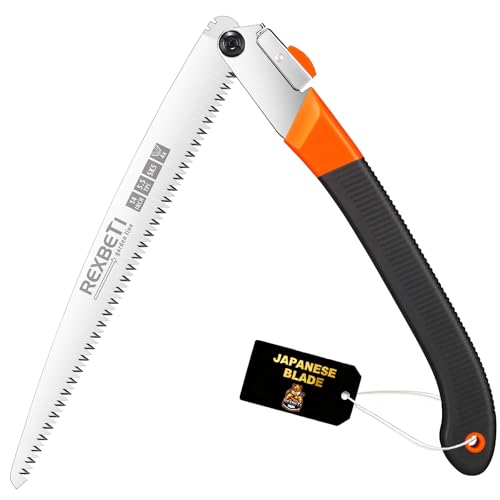
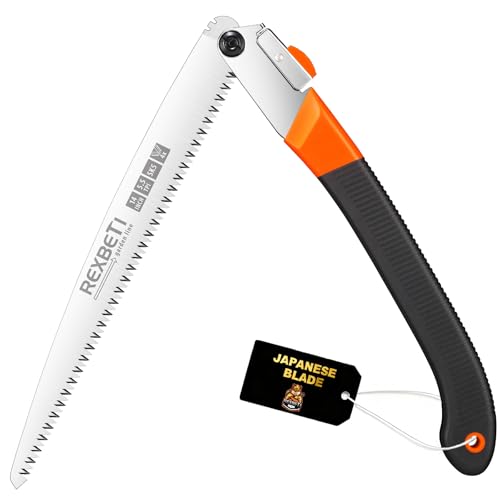
A folding saw has a blade that tucks into the handle, which makes it safe in a pocket, a bag or a tool belt. The weakness is that the hinge is a moving part, so check that it locks firmly open. The REXBETI 14 inch model is listed with a 14 inch SK5 steel blade, 5.5 teeth per inch and a folded length of 14 inches, aimed at branches in roughly the 7 to 10 inch range. Skip it if you want a fixed, one-piece blade.
Professional Folding Saws: Best for Frequent Heavy Pruning
The Silky Bigboy 2000 is listed with a 360 mm blade, 1.8 mm thick steel, impulse-hardened taper-ground teeth and a carrying case, for large limbs and small trunks. It costs several times more than a basic folding saw, which is the main drawback. Skip it if you prune only a few times a year.

Fixed Blade Pruning Saws: Best for Precise Control
A fixed blade has no hinge to wear and usually comes with a sheath. The FELCO 621 is described as a straight pull-stroke saw with a 9.5 inch tapered hardened steel blade, non-slip handle and carrying sheath. The short blade is easy to steer but slow on thick wood, so skip it if you need to cut big limbs.

Bow Saws: Best for Logs and Thick Branches
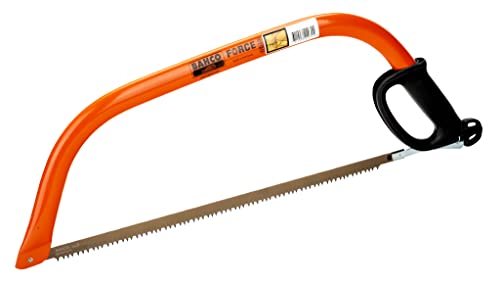
A bow saw uses a thin, replaceable blade held in tension by a metal frame, which cuts fast and straight through green wood and logs. The Bahco 30 inch Ergo is listed for green wood and has a tensioning mechanism intended to keep the cut straight. The frame gets in the way in tight spots, so skip it for pruning inside dense shrubs.

Pole Saws: Best for Branches Above Your Head
A manual pole saw lets you reach limbs without a ladder, which is the safest way to handle high branches that are still thin. The Fiskars extendable pruner and pole saw is listed to extend from about 7.9 to 12 feet, with a 15 inch double-grind saw blade and a lightweight aluminum pole. It is slower than a hand saw and tiring overhead, so skip it if everything you cut is below shoulder height.

Check Blade Length, Teeth and Cutting Direction
Blade length should be at least three times the thickness of the biggest branch you will cut, since a longer blade makes longer, easier strokes. Coarse teeth, around 5 to 7 per inch, cut green wood fast, while finer teeth leave a smoother finish on dry or hard wood.
Pull-stroke saws, common in Japanese designs, cut on the pull and use thinner blades that need less effort. Push-and-pull saws cut both ways but need a stiffer, thicker blade. For most gardeners, a pull saw is easier to control and less tiring.
Look at the Handle and Safety Features
A good handle is rubber-coated or textured so it stays secure in wet or gloved hands, and it should be long enough to fit your whole grip. A built-in hand guard helps keep fingers off the teeth, and a sturdy blade lock matters on any folding saw. Our page on handling and gripping a garden saw properly covers how to hold each style once you own it.
Budget and Replacement Blades
You do not need to spend a lot for a saw that works well. Inexpensive folding saws cut fine for light yard work, while higher-priced models offer harder teeth, better hinges and longer life. Whatever you choose, make sure replacement blades are available, because a worn blade on a bow saw or a folding saw is a cheap fix compared with a new tool.
Browse the full saws category for current options, and review how to ensure safety while using a garden saw before your first cut.
Match the Saw to Your Strength and Storage
A saw you can handle comfortably will be used more often than a bigger one you dread picking up. Consider the weight, since a heavy saw tires your arm on long jobs, and consider where it will live between uses.
A folding saw fits in a drawer or a tool belt, while a bow saw hangs on a hook and a pole saw needs wall space. If you have limited hand strength, a pull saw with a thin blade and a well-shaped handle reduces the effort needed. Try holding a saw in a store if you can, and check that your hand fits around the grip with gloves on.
Finally, think about care. Saws that are easy to clean and store last longer, and our guide on how to store and maintain your garden saw shows what to expect from ownership.
FAQ: Tips for Choosing the Right Garden Saw
What is the best all-around garden saw?
A folding pruning saw with a 10 to 14 inch curved blade handles most yard jobs. Pair it with a bow saw if you also cut logs or firewood.
Is a pull saw better than a push saw?
For most pruning, yes. A pull saw uses a thinner blade that cuts quickly with less effort, and it tends to stay straighter in the cut.
How long should the blade be?
Aim for a blade at least three times as long as the branch is thick. For typical branches of two to four inches, a 10 to 14 inch blade is comfortable.
Do I need a pole saw?
Only if you regularly cut branches that are above shoulder height. For anything thick, near power lines or very high, hire a certified arborist rather than stretching with a pole saw.
To sum up these tips for choosing the right garden saw: pick by the job, match the blade length to the branch, favor a secure handle, and keep replacement blades in reach.