How to Grow Your Own Mushrooms
Disclosure: We may earn a commission when you buy through links on this page, at no extra cost to you. As an Amazon Associate I earn from qualifying purchases. Learn more
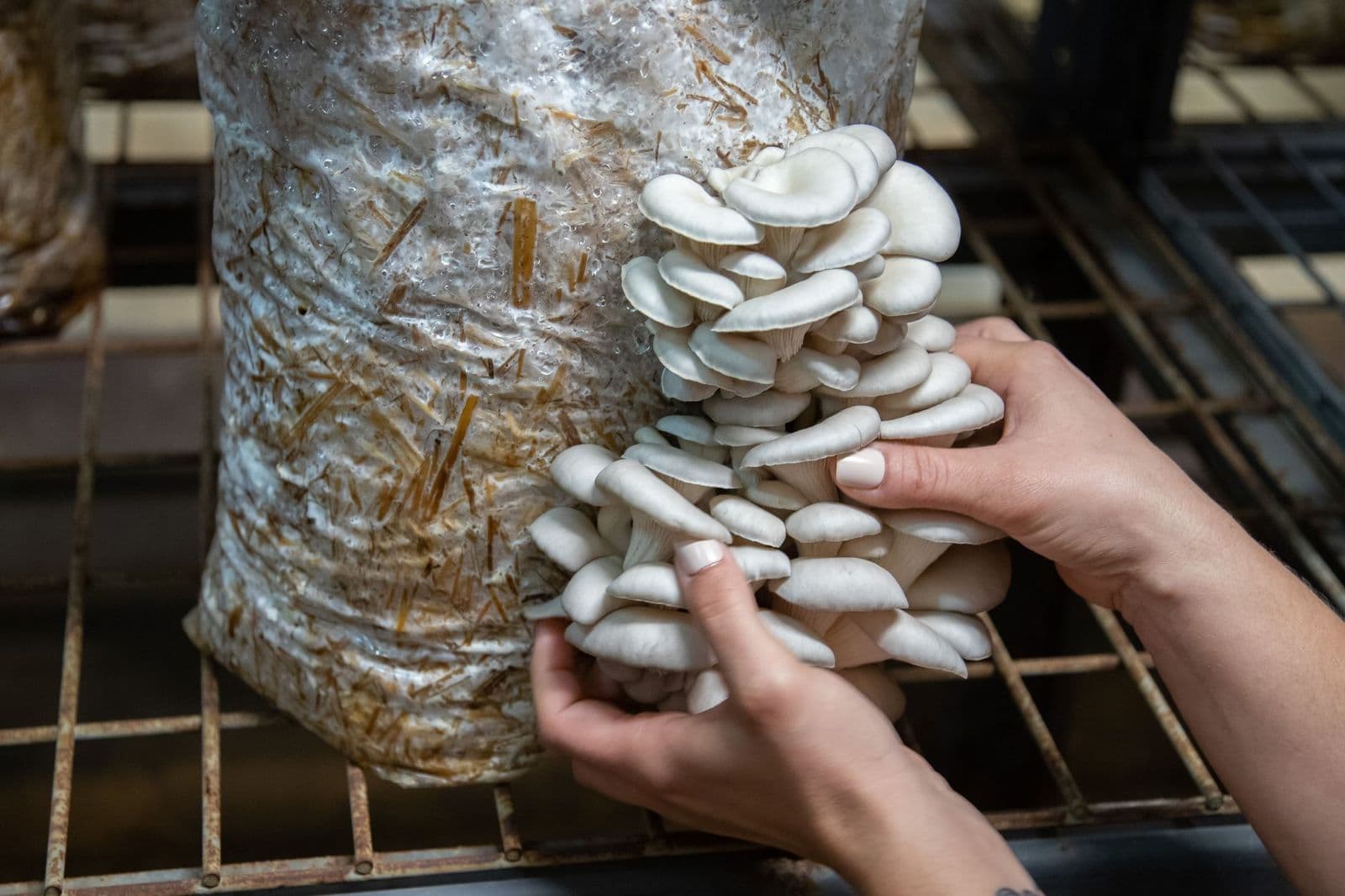
A step by step guide to grow mushrooms at home, from choosing spawn and substrate to fruiting, harvesting and avoiding mold.
Mushrooms are a unique and delicious addition to any kitchen, and learning to grow mushrooms at home lets you harvest them fresh from a shelf, a closet or a shady corner of the garden. Unlike vegetables, they do not need sunlight or soil, just the right substrate, moisture and temperature.
This guide covers the ideal growing conditions, a step-by-step method from spawn to harvest, answers to common questions and a few safety notes to help you get started.
Ideal Growing Conditions for Mushrooms
Most mushrooms grow best in mild temperatures, high humidity and dim, indirect light. Getting these three conditions right matters more than any special equipment.
Temperature
Different mushroom varieties have different temperature preferences, but most thrive between 55°F and 75°F (13°C to 24°C). Choose a variety that suits the temperature of your growing space, whether that is a cool basement or a warm kitchen.
Humidity
Mushrooms need high humidity to grow well, ideally around 70 to 90 percent relative humidity. Mist the growing area regularly, or create a humid space with a humidifier, a plastic tent or a clear tote with a few air holes.
Light
Mushrooms do not need direct sunlight; in fact, they prefer indirect or diffused light. A dim room with some daylight, or a gentle grow light, is enough to signal the fruiting bodies which way to grow.
How to Grow Mushrooms Step by Step
To grow mushrooms, you pick a variety, prepare a clean substrate, mix in spawn, let the mycelium colonize it, then trigger fruiting with fresh air and humidity. Each step below explains what to do.
1. Choose the Mushroom Variety
Oyster, shiitake and white button mushrooms are all suitable for home growing. Oyster mushrooms are the most forgiving for beginners, shiitake grow well on hardwood logs or sawdust blocks, and button mushrooms need composted manure.
Check that spawn (the mycelium, or "seed," of the mushroom) is available for your chosen variety, and read its specific growing requirements before you start.
2. Prepare the Growing Substrate
Mushrooms grow on a substrate, which can be straw, sawdust, wood chips, coffee grounds or compost depending on the species. Oyster mushrooms do well on straw, while shiitake prefer hardwood sawdust or logs.
Sterilize or pasteurize the substrate as your variety requires. This step removes competing molds and bacteria and gives the mushroom a clean start.
3. Inoculate the Substrate
Once the substrate has cooled, add the mushroom spawn. Buy spawn from a reputable supplier or use the spawn included in a mushroom growing kit, and mix it thoroughly so it is evenly distributed.
4. Incubation and Fruiting
Pack the inoculated substrate into a container or growing bag and seal it to create a controlled environment. Keep it at the temperature and humidity your variety needs while the white mycelium spreads through the substrate.
When the substrate is fully colonized, start the fruiting phase by introducing fresh air, raising humidity and lowering the temperature slightly. Small pins appear first and grow into full mushrooms within days.
5. Harvesting
Harvest mushrooms when they reach the size you want, ideally just before the caps open fully. Cut them at the base or gently twist them off the substrate so you do not damage the mycelium, which can produce further flushes.
Frequently Asked Questions
Can I grow mushrooms indoors?
Yes, mushrooms grow well indoors as long as you manage temperature, humidity and light. Ready-made growing kits are the easiest way to start, or you can build your own controlled environment with a tote or tent.
How long does it take to grow mushrooms?
It depends on the species and conditions, but it generally takes several weeks to a few months from inoculation to harvest. Oyster mushrooms are among the fastest, while shiitake on logs can take much longer.
Can I reuse the substrate for more mushrooms?
Often you can get two or three flushes from the same substrate if you keep it moist between harvests. After that, the spent substrate makes excellent compost or garden mulch; reusing it for a new crop risks contamination unless you sterilize or pasteurize it again.
What should I do if mold or other contaminants appear?
Remove and discard the affected substrate right away to keep the contamination from spreading. Green, black or pink patches usually mean mold, so review your cleaning and pasteurizing steps before the next batch.
Editor's Note
Growing your own mushrooms can be a fascinating and rewarding experience, but it takes attention to detail and good hygiene. Learn the specific requirements of the species you plan to grow, and consider starting with beginner-friendly varieties such as oyster mushrooms.
Be careful with wild mushroom foraging, since many toxic species look like edible ones. It is safer to grow mushrooms from reputable spawn or kits, especially if you are new to mushroom identification. For another crop that grows well inside, see how to grow lettuce indoors. Enjoy the process and the unique flavors and textures of your harvest.