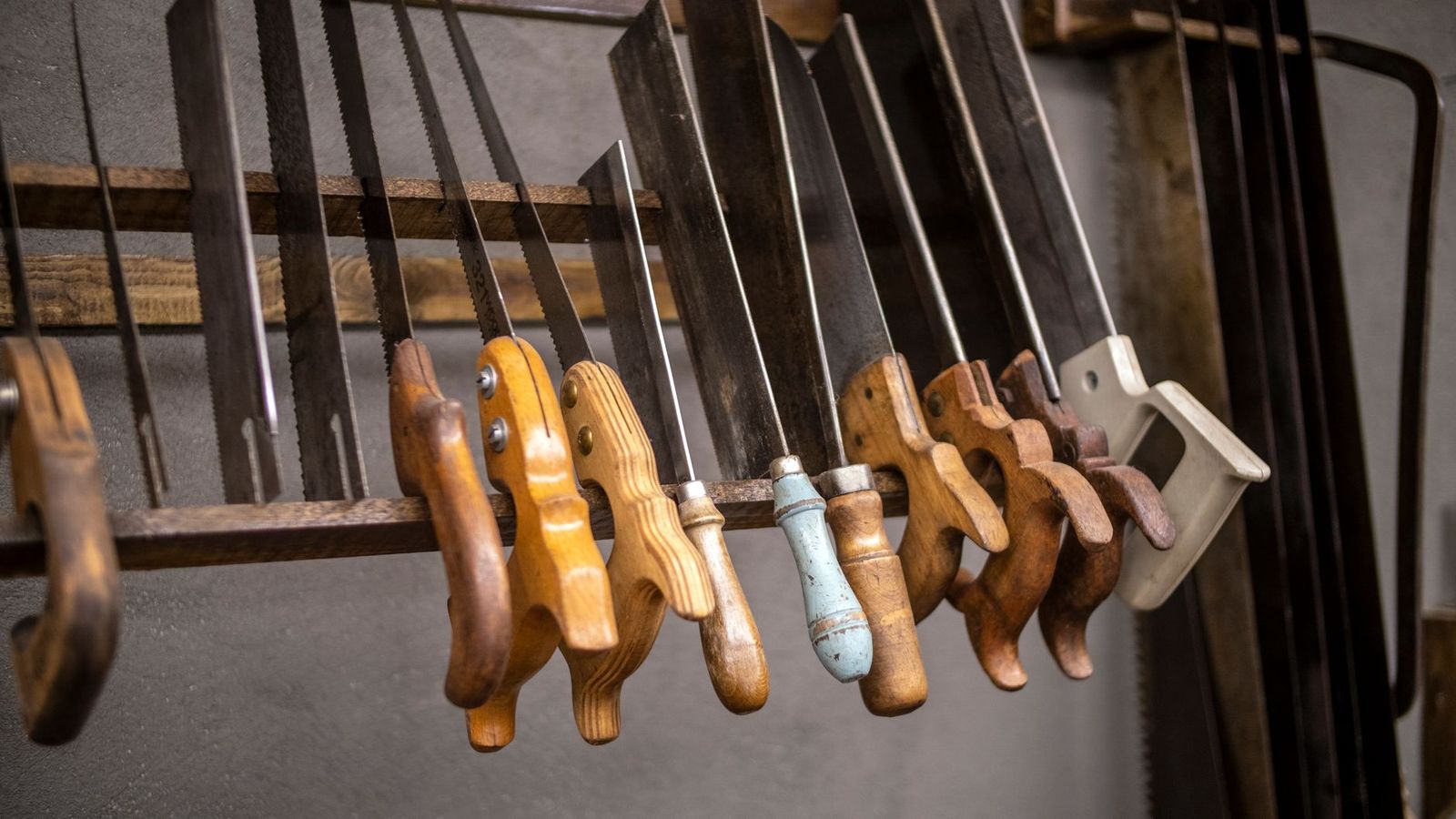
How to Prune Trees with a Garden Saw
Disclosure: We may earn a commission when you buy through links on this page, at no extra cost to you. As an Amazon Associate I earn from qualifying purchases. Learn more

How to prune trees with a garden saw: timing, branch collar cuts and the three cut method for heavy limbs.
Learning how to prune trees with a garden saw is one of the most useful skills for a home gardener. Done well, it removes dead or crossing wood, lets light into the canopy and helps the tree heal cleanly. Done badly, it leaves torn bark and stubs that invite decay.
This guide covers when to prune, which cuts to make first, the three cut method for heavy limbs and the point where the job is better left to a professional.

How to Prune Trees with a Garden Saw: When to Prune
For most deciduous trees, late winter or early spring while the tree is dormant is the best window. You can see the branch structure clearly and the tree has time to seal wounds when growth starts. Dead, broken or hazardous branches can come off any time of year.
Some trees bleed sap in spring, and some flowering trees set buds on last year's wood, so check the habits of your species before cutting. A local extension office is a good source.
What to Remove and Why
Start with the three Ds: dead, damaged and diseased wood. Then look for branches that cross and rub, grow straight down or inward, or crowd the center of the canopy.
- Dead wood: dry, brittle and often without buds. Cut back to healthy tissue.
- Crossing branches: remove the weaker one so they stop rubbing.
- Water sprouts and suckers: soft shoots straight up from limbs or the base.
- Low limbs that block paths: remove them gradually over a few seasons.
Take out no more than about a quarter of the canopy in one season. Heavy cuts stress the tree.
Choose the Right Saw
A curved pruning saw cuts on the pull stroke and handles limbs up to about 6 inches, and it fits between branches where a bow saw cannot. Use loppers or pruners for twigs under an inch, and a bow saw for bigger limbs on the ground. See our pruners and loppers section for smaller cuts.
Samurai Ichiban 13-Inch Curved Pruning Saw: best for arborist style work
This curved 13 inch blade has taper ground teeth with impulse hardening at 6.5 teeth per inch, plus a scabbard. The listing describes it as a top seller to arborist and landscape trades. It costs around $50. The long blade can be awkward in tight crowns. Skip it if you only trim small twigs.

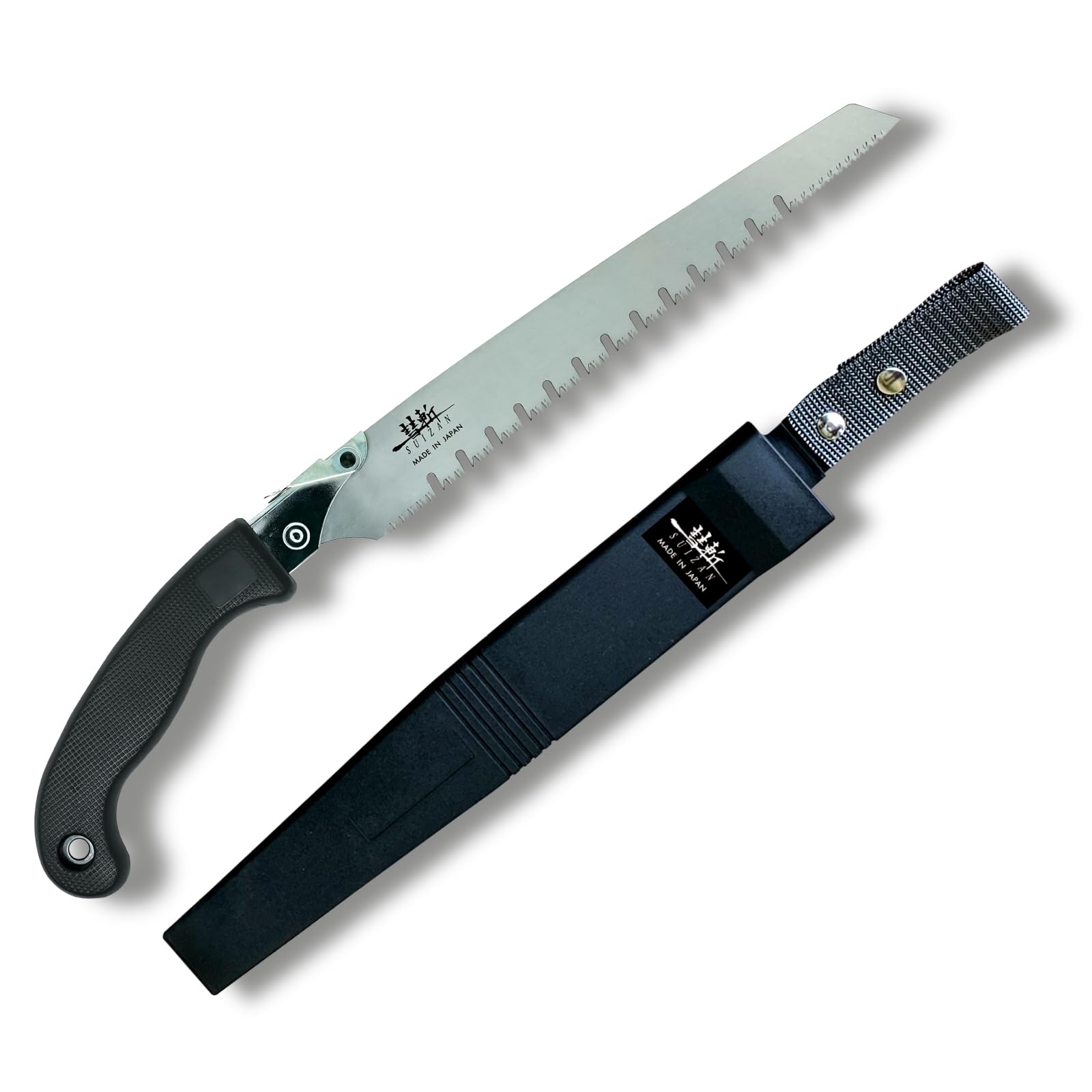
SUIZAN 10.6-Inch Pruning Saw: best for tight spots and quick blade swaps
This 10.6 inch Japanese saw cuts on the pull stroke, is listed for branches up to 6 inches across, and has gullet teeth to clear sawdust. The blade changes with one push of the holder. It weighs about 6 ounces and costs around $36. A slim blade is not made for twisting out of a bind. Skip it if you prefer a heavier, longer blade.

Where to Cut: Finding the Branch Collar
Cut just outside the branch collar, the slightly swollen ring where a branch meets the trunk or a larger limb. Do not cut flush with the trunk, and do not leave a long stub. Both slow healing.
The collar holds the tissue that closes the wound. Angle the cut so water runs off, and leave the collar intact. Do not paint the cut with sealant: most tree care guidance says trees heal better when left open.
The Three Cut Method for Heavy Limbs
For any limb thicker than about 2 inches, make three cuts so the weight does not tear the bark down the trunk.
- Undercut: about 12 to 18 inches out from the trunk, cut a quarter to a third of the way up from the bottom.
- Top cut: a couple of inches farther out, cut down from the top until the limb breaks away and falls.
- Final cut: remove the remaining stub just outside the branch collar, with a clean, steady stroke.
Support the Limb as You Cut
If the limb is big enough to be heavy, hold it up or tie it with a rope so it does not fall on you or damage anything below. Clear the area and stand to the side of the drop line.
Safety Notes
Wear safety glasses, gloves and a hard hat for overhead work. Never cut above your shoulders from a ladder, and do not prune near power lines. Hire an arborist for large trees, big limbs and anything high. Read how to ensure safety while using a garden saw for the full checklist.
Aftercare and Tool Care
Clean the blade after cutting diseased wood, since pruning can spread infection. Wipe the teeth with a cloth and a household disinfectant, then dry them. For routine care, see how to clean and maintain the blade and pruning shrubs and hedges for smaller plants.
Common Pruning Mistakes to Avoid
Most tree damage comes from a short list of errors. Knowing them keeps your cuts clean and your trees healthy.
- Topping: cutting the main leader or all branches back to stubs. It weakens the tree and sends up weak, fast sprouts.
- Flush cuts: removing the branch collar leaves a bigger wound that heals slowly.
- Leaving stubs: dead stubs invite decay and insects.
- Removing too much at once: a tree needs its leaves to feed itself.
- Skipping the undercut: the bark rips down the trunk as the limb falls.
If a tree has already been topped or damaged, restore it gradually over several seasons rather than with one big cut. When in doubt, ask a certified arborist to look at it.
Small Trees Versus Large Trees
Size changes the plan. On a young tree, you are shaping structure: choose a strong central leader, keep well spaced branches and remove competing stems while they are thin. These small cuts heal quickly and cost the tree very little.
On a mature tree, cuts matter more and the stakes are higher. Limbs bigger than about 4 inches cause large wounds that heal slowly, and big limbs can weigh hundreds of pounds. Focus on removing dead wood and a few problem branches, and leave major reshaping to a certified arborist. Remember, you can always remove more next year, but you can never put a branch back.
Cleaning Up After Pruning
Gather the cut limbs promptly, since piles of wood invite pests and trip hazards. Chip small branches into mulch, stack straight limbs for firewood and dispose of diseased wood according to local rules rather than composting it. Water the tree during dry spells afterward, and watch the cuts over the next season for oozing, cracking or dieback.
A short note of the date and what you removed helps you plan the next year. Most healthy trees need only light pruning every year or two.
Frequently Asked Questions
What is the best time of year to prune trees?
Late winter to early spring, while the tree is dormant, suits most species. Dead or hazardous limbs can come off any time.
How thick a branch can a garden saw handle?
Most pruning saws handle limbs up to about 6 inches, with bow saws taking on larger ones. Bigger limbs usually need a professional.
Do I need to seal pruning cuts?
No. Clean cuts just outside the branch collar heal best when left uncovered.
Why do I need an undercut?
The undercut stops the limb from tearing a strip of bark off the trunk as it falls.
That is the whole process: choose the right season, find the collar and cut in stages. Follow these steps for how to prune trees with a garden saw and your trees will stay healthy and well shaped. Browse more in our saw section.