
How to Store and Maintain Your Garden Saw
Disclosure: We may earn a commission when you buy through links on this page, at no extra cost to you. As an Amazon Associate I earn from qualifying purchases. Learn more
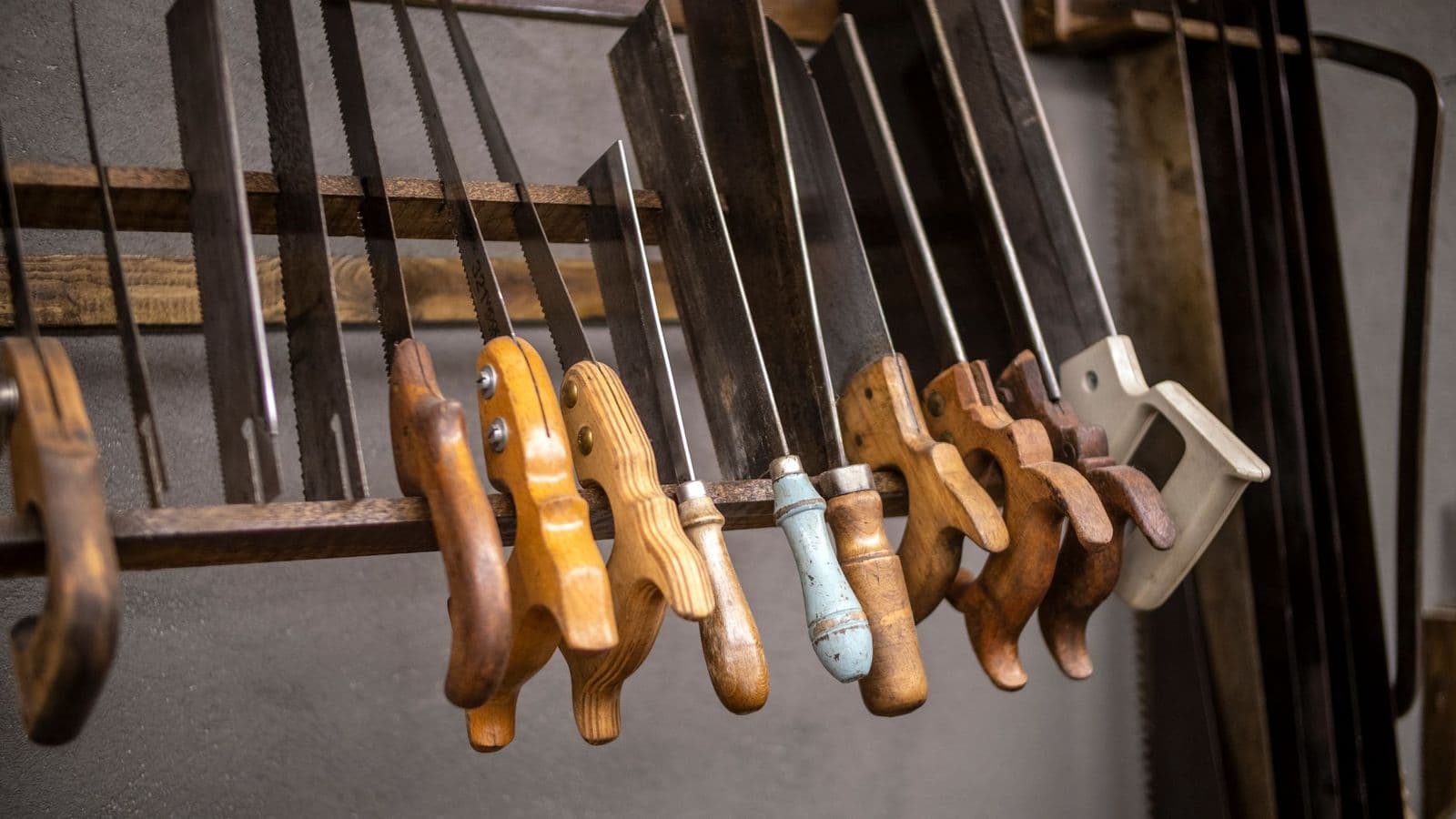
How to store and maintain your garden saw to prevent rust, protect the blade, and keep it safe between jobs.
Learning how to store and maintain your garden saw comes down to three habits: keep it dry, keep it covered, and check it before each season. Most saws are not worn out by cutting, but by rust, damp sheds, and being tossed in a bucket with other tools. A little care in storage protects the blade, the handle, and your hands.
This guide is about storage and seasonal care of the whole tool. For removing sap and resin from the blade, see how to clean and maintain the blade of your garden saw, and for filing the teeth, read how to maintain and sharpen your garden saw.
How to Store and Maintain Your Garden Saw Before the Off-Season
A saw should never go into storage dirty or damp. Brush off the sawdust, wipe away sap, and dry the whole blade, including the pivot of a folding saw. If you need a refresher on cleaning, the blade guide linked above covers it.
Then apply a very thin coat of light oil to the blade with a rag, plus a drop at the folding joint. Check the handle for cracks, splinters, or loose screws and fix them now, not in the middle of a job. Close folding saws fully and engage any lock, and fit the blade guard or sheath on fixed saws.
Choose the Right Place to Store It
The ideal spot is dry, out of reach of children, and off the ground. Moisture is the main enemy, so avoid damp basements, outdoor sheds with leaks, and the bottoms of buckets where water collects. A garage wall or a workshop shelf works well.
- Hang the saw on a wall hook by the handle so the blade is not resting against anything.
- Use a sheath, a blade guard, or a folding design so the teeth are always covered.
- Keep it away from fertilizer, salt, and chemicals, which speed up corrosion.
- Store it out of direct sun, which can dry and crack plastic and wood handles.
If humidity is a problem, put silica gel packs or a small moisture absorber in the tool chest. Never store a damp saw in a sealed case, since moisture trapped inside causes rust faster than open air.
Keep It Safe for People and Pets
Stored saws should be covered, secured, and out of easy reach. A bare blade on a low hook can injure a child or someone who reaches for something nearby. Use guards, a lockable cabinet, or a high hook, and always store the saw with the blade pointing away from walkways.
When you take it out again, check that the lock works, the handle is solid, and the blade is not loose before you start cutting. Our guide on how to ensure safety while using a garden saw covers the rest of the routine, including eye and hand protection and stable footing.
Seasonal Maintenance Routine
A short seasonal checklist keeps a saw ready. Plan one check before the main pruning season and one before winter storage.
- Inspect the blade for rust, bends, and missing or damaged teeth.
- Wipe it clean and oil lightly.
- Tighten pivot screws and rivets, and check that the lock engages fully.
- Look at the handle for cracks, splinters, and loose grips.
- Make a trial cut on a scrap branch, and sharpen or replace the blade if needed.
On wooden handles, a light wipe of linseed or a tool-care oil prevents drying and splitting. Plastic and rubber grips need only a clean damp cloth. Avoid leaving the saw outdoors overnight in rain or dew, even for a quick break, since moisture builds up fast on bare steel.
Deal With Rust Early
Light surface rust can be wiped away if you catch it early. Use a fine abrasive pad or a soft brush and a little oil, working along the blade, and then dry and oil it again. Skip coarse abrasives that round the teeth.
If rust has spread into pits, or the pivot is stiff and gritty, the saw may need a new blade or replacement. For heavy-duty use, it is often cheaper to replace the blade than to keep fighting corrosion. When you shop, our tips for choosing the right garden saw shows what to look for in a durable tool, and the saws category has many options.
Extra Care for Different Saw Types
Folding pruning saws, fixed-blade hand saws, bow saws, and pole saws each need slightly different storage. Folding saws should be closed, locked, and kept in a sheath or on a hook. Bow saws should have the blade guard on, or the tension released if the maker advises it. Pole saws are best stored upright or hung horizontally on two hooks, with the blade guarded.
Powered tools are different: for anything with a battery, fuel, or cord, follow the manual for storage, because these have their own requirements. For pressure washers, a similar approach applies, and you can see it in how to winterize a pressure washer.
Long-Term Storage Through Winter
For months of storage, extra steps pay off. Clean the blade thoroughly, dry it, and apply a slightly more generous coat of oil than usual, then wipe off the excess. Wrap the blade in a lightly oiled rag or slip it into a sheath that is dry inside, and keep it away from concrete floors where moisture rises.
Check that the saw is not near a source of salt, fertilizer, or fuel fumes, which corrode steel and plastics. Store spare blades flat in their packaging or in a labeled box, and keep them oiled as well. Mark the date on a piece of tape, so you remember when you last serviced it.
In spring, inspect everything before the first cut, as described in the checklist above, and see how to use a garden saw properly for a refresher on technique. For cutting jobs, how to prune trees with a garden saw is a good first project of the season.
Organizing a Small Tool Space
A tidy layout makes good habits easy. Give each saw its own hook or slot, label shelves for blades and oil, and keep a rag and a small brush within reach. When every tool has a place, you notice a missing sheath or a rusty blade right away.
Group sharp tools together at a height adults can reach but children cannot. Keep a small first aid kit and eye protection near the door, and put a note on the wall with your seasonal checklist. If space is tight, a simple wall rack or magnetic strip for hand tools frees up bench room, though a blade should never rest against another metal tool where it can chip. Browse the hand tools category for more storage-friendly gear.
FAQ
Should I oil my garden saw before storing it?
Yes, a thin coat of light oil on the blade helps prevent rust. Wipe off the excess so it does not collect dust or stain other items.
Where is the best place to store a garden saw?
A dry, covered spot off the ground, such as a hook on a garage or workshop wall. Avoid damp sheds and the bottoms of buckets.
Can I leave a folding saw open?
No. Close it and engage the lock so the blade is protected and no one is cut by accident. This also prevents the pivot from being stressed.
How do I stop my saw from rusting in a damp shed?
Dry it fully, oil it lightly, and use silica gel or a dehumidifier in the space. Better yet, move it to a drier place if you can.
With these simple habits, how to store and maintain your garden saw becomes routine, and the tool stays sharp, safe, and ready.


