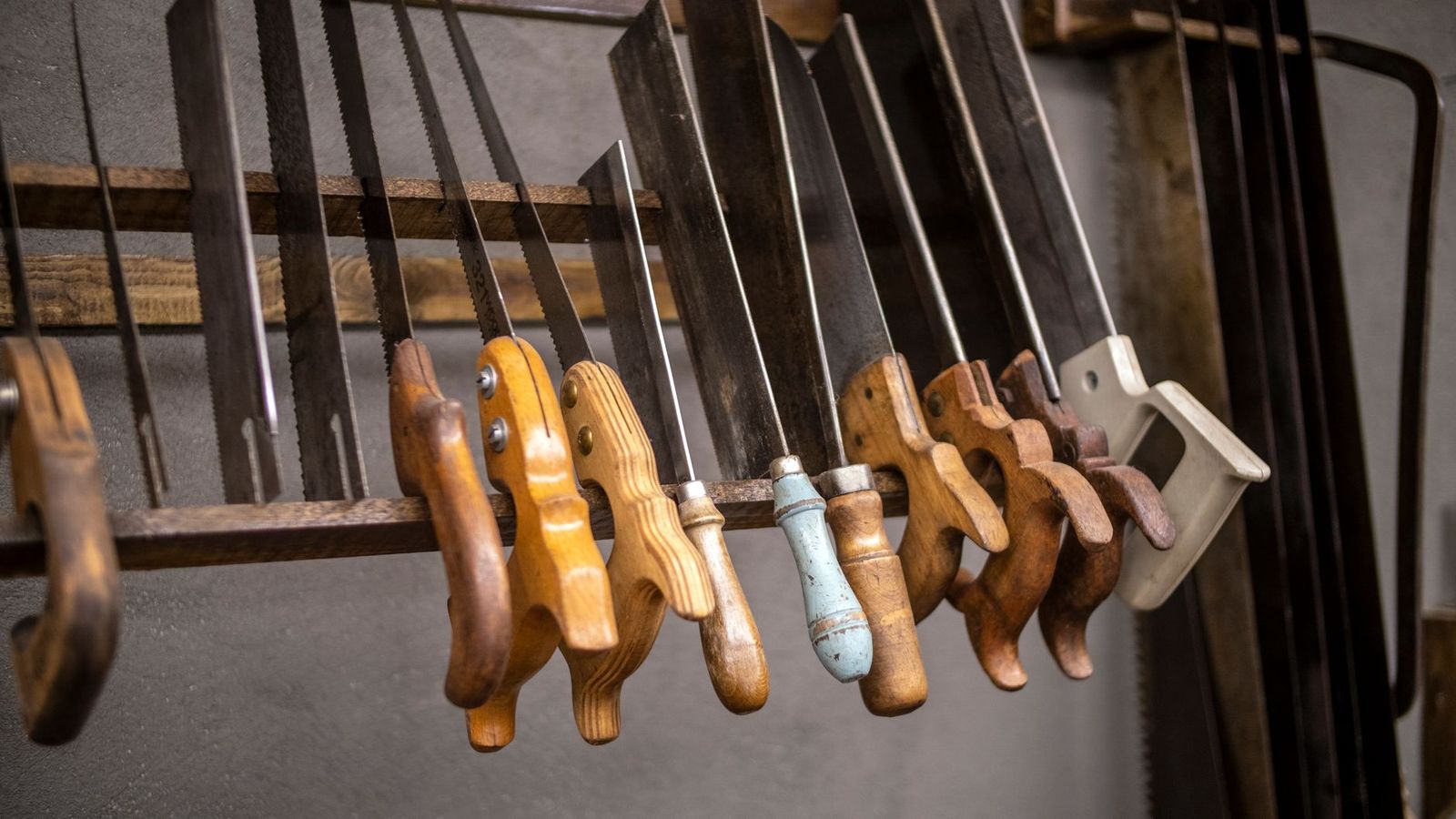
How to Remove Tree Stumps with a Garden Saw
Disclosure: We may earn a commission when you buy through links on this page, at no extra cost to you. As an Amazon Associate I earn from qualifying purchases. Learn more

How to remove tree stumps with a garden saw: cut it low, sever the roots and pry it out, plus when to use a grinder.
A hand saw cannot grind a stump away, but knowing how to remove tree stumps with a garden saw still helps a lot. You can cut the stump low, sever the roots that hold it and break the job into pieces that a shovel, mattock or digging bar can finish.
This guide explains a realistic, step by step process for small to medium stumps, the tools you will need beside the saw and the cases where a stump grinder or a professional is the better choice.
Set Realistic Expectations
A garden saw works best for stumps up to about 6 to 8 inches across, or for removing the above ground portion of a larger one. Roots are the hard part: they spread wide, hide under soil and are full of dirt that dulls teeth.
For big stumps, a rented grinder or a pro is faster and safer. If you are removing a stump from a tree you just felled, see tips for cutting large logs with a garden saw for the trunk work first.
Gather Tools and Safety Gear
Besides a saw, you need leverage and digging tools. Dirt and stones will dull the blade, so plan on a spare or a cheap saw you do not mind wearing out.
- A bow saw or folding saw for roots and the stump top.
- A shovel, mattock or digging bar to expose and pry roots.
- Loppers or a hand pruner for small roots.
- A garden hose for washing soil from the roots so you can see them.
- Gloves, safety glasses and sturdy boots.
Call before you dig to make sure you will not hit buried utility lines. Review how to ensure safety while using a garden saw before you start.
Step by Step: How to Remove Tree Stumps with a Garden Saw
- Cut the stump low. Saw the trunk down to a few inches above the ground, so the stump is easier to reach and rock.
- Clear the soil. Dig a trench around the stump with a shovel and wash away dirt with a hose to expose the main roots.
- Cut the side roots. Saw or lop roots at a distance from the stump, starting with the smaller ones. Use short strokes and keep the blade out of the dirt.
- Rock the stump. Push and pull it side to side to find roots you missed, and cut them.
- Pry out the center. Use a digging bar to lever the stump, then cut or break the taproot below.
- Fill the hole with soil and compact it in layers.
Cutting Roots Without Wrecking the Blade
Wash soil off each root before cutting, and saw with light pressure so the teeth stay out of rocks. When the blade starts to skate, stop and check it. Sharp teeth are cheap to replace compared with a day of fighting a dull saw. See how to maintain and sharpen your garden saw.
Which Saw Works Best for Stumps and Roots
A longer blade reaches around the root crown, while a tough, replaceable blade helps when you hit grit. You do not need a pricey saw for this job.
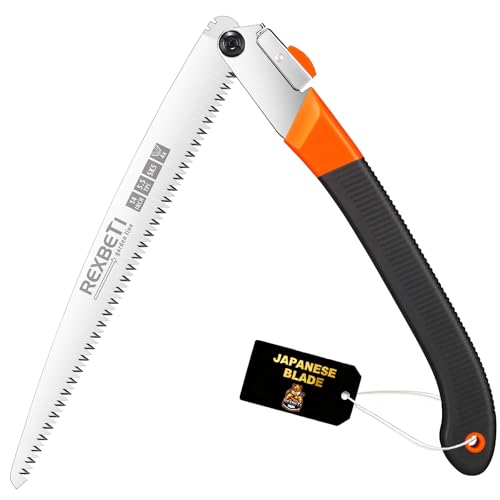
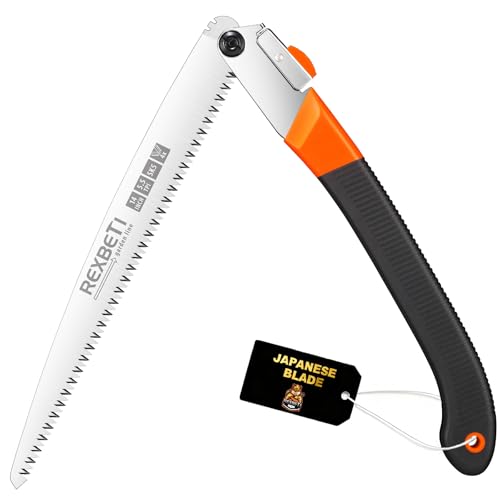
REXBETI 14-Inch Folding Pruning Saw: best for reaching roots
This folding saw has a 14 inch SK5 steel blade with staggered teeth at 5.5 TPI and is listed for branches 7 to 10 inches across. It weighs 14.5 ounces and costs around $25. A thin folding blade can bind in a tight root cut. Skip it if you want a rigid frame for deep cuts.
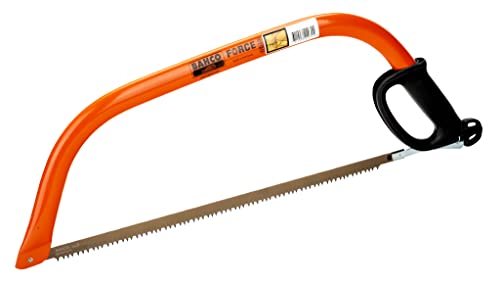
Bahco 10-30-23 30-Inch Ergo Bow Saw: best for thick roots and stump tops
The 30 inch bow saw is listed for green wood, which is what most live roots are, and it has a tension mechanism for straighter cuts. It costs around $44. The frame is bulky in a trench. Skip it if your stump is very small.

Other Ways to Finish the Job
If the stump is large, slow methods help. You can drill holes and let it rot with time, burn it where local rules allow, or hire a grinder. A grinder cuts a stump a foot or so below grade in minutes, and you can then plant grass or a bed.
Chemical stump removers exist, but follow the label strictly and keep children and pets away. Never use fuel or accelerants to burn a stump.
Cleaning Up and Saw Care
Clean soil, resin and moisture from the blade right away. Dirt holds water and starts rust. Wipe it, dry it and add a thin coat of oil. Our guides on cleaning the blade and storing your garden saw show how.
Dealing with Stubborn Roots
Some roots refuse to give up. Work around the stump in a circle rather than fighting one root, and use the digging bar as a lever after each cut. Large roots can be cut in two places and the section between them removed, which opens a gap for the blade.
Drive the saw at a slight angle so the kerf stays open, and pour a little water on the cut if the wood is dry and the blade squeals. Take breaks, because the work is physical. If a root is bigger than your saw can reach, leave it below the surface to rot, since it will not hurt a lawn or planting bed once the top of the stump is gone.
Planning the Hole and the Replacement Planting
Once the stump is out, you will have a hole and a pile of roots. Fill the hole in layers with soil and compact it gently, topping it off a little high because it will settle. Rake and level the surface and seed it or lay sod.
If you plan to replant a tree in the same spot, pick a species different from the old one, or move the new tree a few feet to one side. Leftover root pieces can carry disease from the old tree and slow growth. Remove as many large roots as you reasonably can, and haul the stump and root pieces away or chip them into mulch if you have a chipper. Keep the pile dry and off the ground until you can dispose of it.
How Long Does It Take?
Plan on a few hours for a small stump and a full weekend for one around 8 inches across, depending on soil and root spread. Sandy soil is easy, while clay and rocky ground slow you down. Start in the morning, take breaks and keep water close.
If you are still on the first big root after an hour, that is a sign to consider renting a stump grinder instead.
Frequently Asked Questions
Can you really remove a stump with a hand saw?
You can cut it low and sever the roots, but you will need digging tools and leverage. For large stumps, a grinder is faster.
How big a stump can a garden saw handle?
Plan on stumps up to roughly 6 to 8 inches across. Beyond that, use a grinder or call a professional.
Will soil ruin my saw?
Dirt dulls the teeth quickly. Wash roots first and expect to replace or sharpen the blade afterward.
What if I hit a rock?
Stop, lift the blade out and change your angle. Forcing a saw through stones can bend or break teeth.
With patience and the right tools, how to remove tree stumps with a garden saw becomes a manageable weekend job for small stumps. See more in our saw section and hand tools.