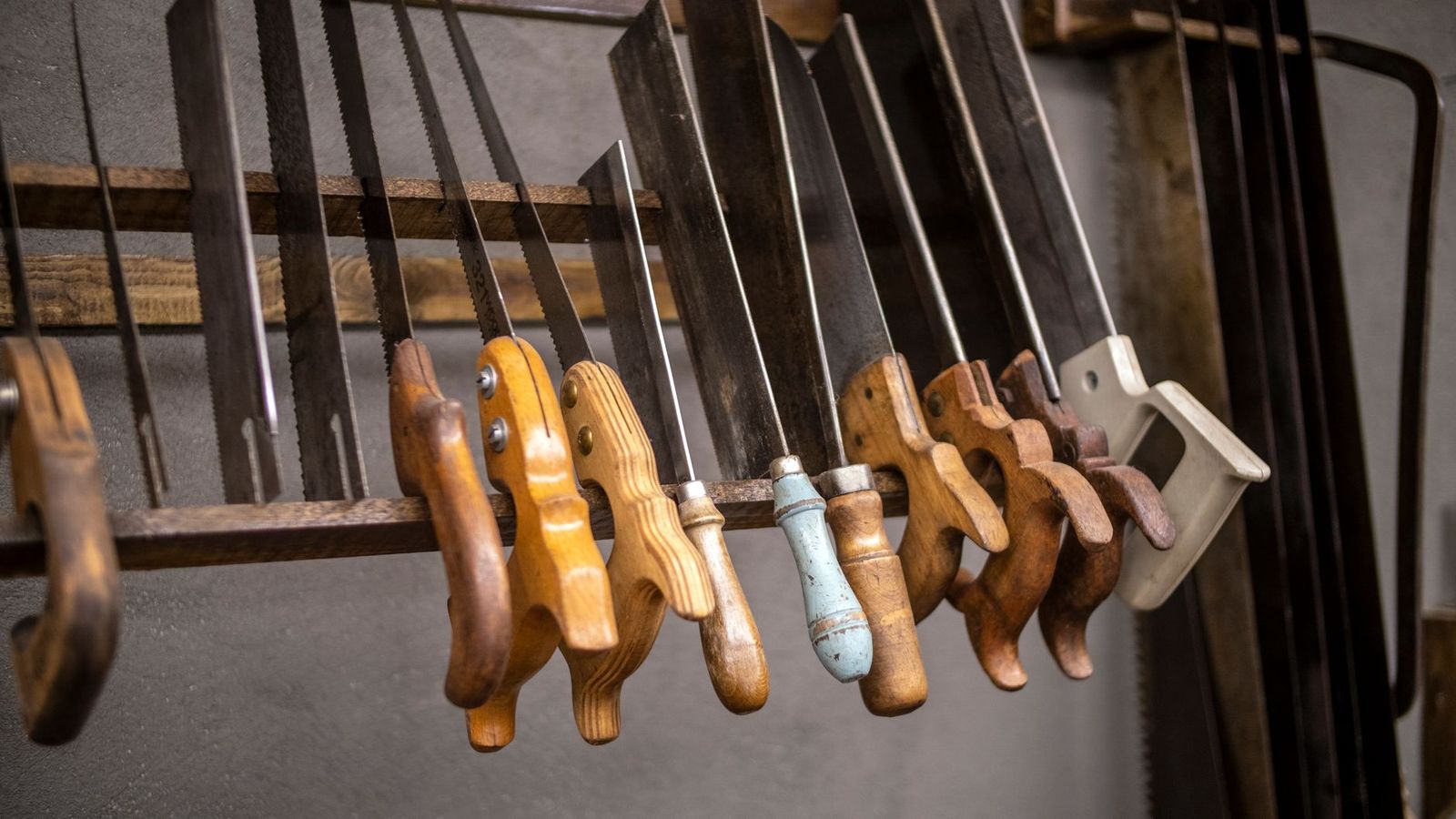
Tips for Cutting Thick Branches with a Garden Saw
Disclosure: We may earn a commission when you buy through links on this page, at no extra cost to you. As an Amazon Associate I earn from qualifying purchases. Learn more

Tips for cutting thick branches with a garden saw: the three-cut method, blade length, safe footing and protective gear.
The right tips for cutting thick branches with a garden saw can save you from pinched blades, torn bark and dangerous drops. A thick limb is heavy, it moves as you cut it, and the weight can strip a long strip of bark off the trunk if you make one simple cut from above.
This page covers the three-cut method, picking a saw with enough length, reaching high limbs, and safe positioning. For general pruning, see how to prune trees with a garden saw, and for logs on the ground read cutting large logs.



Use the Three-Cut Method for Heavy Limbs
The three-cut method keeps a heavy branch from tearing the bark as it falls. It takes only a minute and is the most important habit for thick limbs.
First, make an undercut about 12 inches out from the trunk, cutting a quarter to a third of the way up from the bottom. Second, cut from the top a couple of inches farther out, until the limb drops cleanly, leaving a short stub. Third, remove the stub with a final cut just outside the branch collar, the swollen ring where the branch joins the trunk. Never cut flush to the trunk, because the collar is where the tree seals the wound.
Pick a Saw With Enough Blade Length
A thick branch needs a long blade so you can make long strokes and clear sawdust. As a rule, the blade should be at least three times the thickness of the limb.
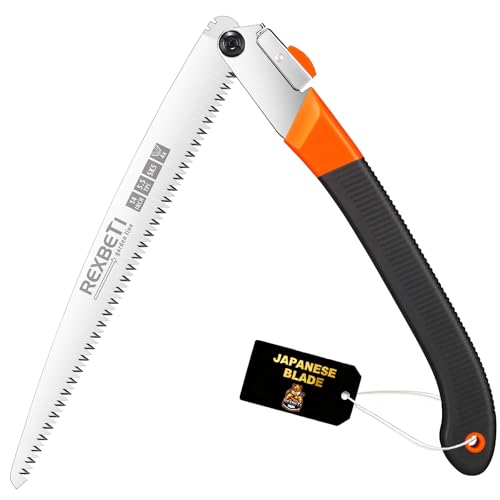
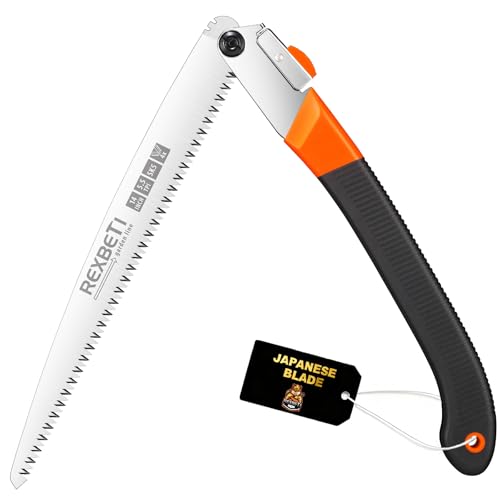
REXBETI 14 Inch Folding Saw: Best for Limbs Up to About Seven or Eight Inches
This folding saw is listed with a 14 inch SK5 steel blade, 5.5 teeth per inch with staggered teeth, and a note that the blade suits branches roughly 7 to 10 inches across. It folds to about 14 inches and weighs 14.5 ounces. A folding hinge will always be a weaker point than a fixed blade, so skip it if you cut very large wood often.
Silky Bigboy 2000: Best for Frequent Heavy Pruning
The listing describes a 360 mm blade made from 1.8 mm thick steel with impulse-hardened teeth and Mirai-me cutting design, handling large limbs and small trunks. It is expensive compared with basic saws, so skip it if big limbs are a once-a-year job.

Fiskars Extendable Pole Saw: Best for Reaching High Limbs From the Ground
The manual pole pruner is listed to extend from about 7.9 to 12 feet, with a 15 inch double-grind blade, a low-friction coating and a double locking pole. It works for moderately thick branches but is slow and tiring on heavy ones, so skip it if the limb is bigger than your forearm or near power lines.

Position Yourself and the Limb Safely
Stand on solid ground, never on the same limb you are cutting, and never reach above shoulder height with a hand saw. If the branch cannot be reached from the ground, use a pole saw or call an arborist rather than working from a ladder with a saw.
Make sure the drop zone is clear of people, pets, cars and fences, and plan where the limb will fall. Thick branches that lean over a house, wires or a neighbor's yard should be handled by a qualified professional. Keep a firm stance, with your weight balanced and a clear escape route.
Keep the Cut From Binding
A cut that closes on the blade is both tiring and risky. If the limb droops and pinches the saw, stop, support the limb or lift it slightly, and use a wedge in the kerf if you can reach it safely.
Use long, even strokes with light pressure, and clear sawdust from the cut by pulling the blade out partway now and then. Sap builds up fast in green wood, so wipe the blade as described in how to clean and maintain the blade of your garden saw.
Protect Your Eyes and Hands
Falling debris and flying sawdust are constant on tree work, so wear impact-rated eye protection and gloves. Cut-resistant work gloves with a gripping palm coating help keep the handle secure.
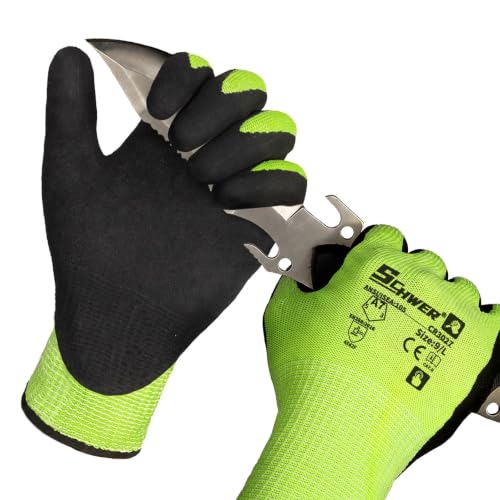
Schwer A7 Cut Resistant Work Gloves: Best for Handling Rough Limbs
This two-pair pack is listed as ANSI A7 cut resistant, with sandy nitrile coating for grip and touchscreen compatibility, washable and reusable. They are not a substitute for care around teeth, and a thick glove can reduce feel. Skip them if you prefer thin leather gloves.

NoCry Safety Glasses Over Eyeglasses: Best for Eye Protection Over Prescription Lenses
These are listed as ANSI Z87 certified with anti-scratch lenses and integrated side shields, designed to fit over eyeglasses. They add a layer on your face, so skip them if you already wear rated safety glasses.

For a complete checklist, read how to ensure safety while using a garden saw.
When a Branch Is Too Thick for a Hand Saw
There comes a point where a branch is simply too big, too high or too risky for a hand saw. Warning signs include a limb thicker than your thigh, a branch that is hanging or cracked, wood under tension, and anything close to wires, roofs or fences.
In those cases the safest and often cheapest move is to hire a certified arborist, who has the training and equipment to take the limb down in sections. If you are unsure, take photos and ask for a quote. A hand saw is excellent for the many branches that are within its range, and knowing its limit is part of using it well.
After tree work, clean the blade, because fresh sap and wet wood can cause rust. Our store and maintain guide covers the next steps.
Timing and Tree Health
When you cut can matter as much as how. Most trees tolerate pruning best during dormancy in late winter, though dead or hazardous limbs can be removed any time of year. Avoid heavy cuts during active leaf growth or right after leaf drop if your region has specific disease concerns.
Clean cuts just outside the branch collar heal best, and there is no need to paint the wound. Disinfecting the blade between trees is wise if you suspect disease, and a quick wipe also helps with sap. If you are unsure whether a tree is healthy enough to prune, a local arborist can advise.
Always check the branch for cracks, rot or insect holes before you cut. A weakened limb can snap or twist unexpectedly, so give it a gentle push and look for movement at the joint. If anything looks unstable, leave it to a professional.
FAQ: Tips for Cutting Thick Branches with a Garden Saw
How thick a branch can I cut with a hand saw?
With a 14 inch blade, branches of several inches are realistic. For thicker limbs, a bow saw or a professional is more practical.
Why should I cut from below first?
The undercut stops the falling branch from tearing a strip of bark down the trunk. The top cut then finishes the job safely.
Can I use a ladder for thick branches?
Avoid it. Hand saws on a ladder are risky, and the limb can swing. Use a pole saw from the ground or hire an arborist.
When should I call a professional?
Call one for large trees, branches near power lines, or any limb that is heavy, high or leaning over a structure.
These tips for cutting thick branches with a garden saw come down to three cuts, a long blade, safe footing and the right gear. Take your time and let each cut open cleanly.