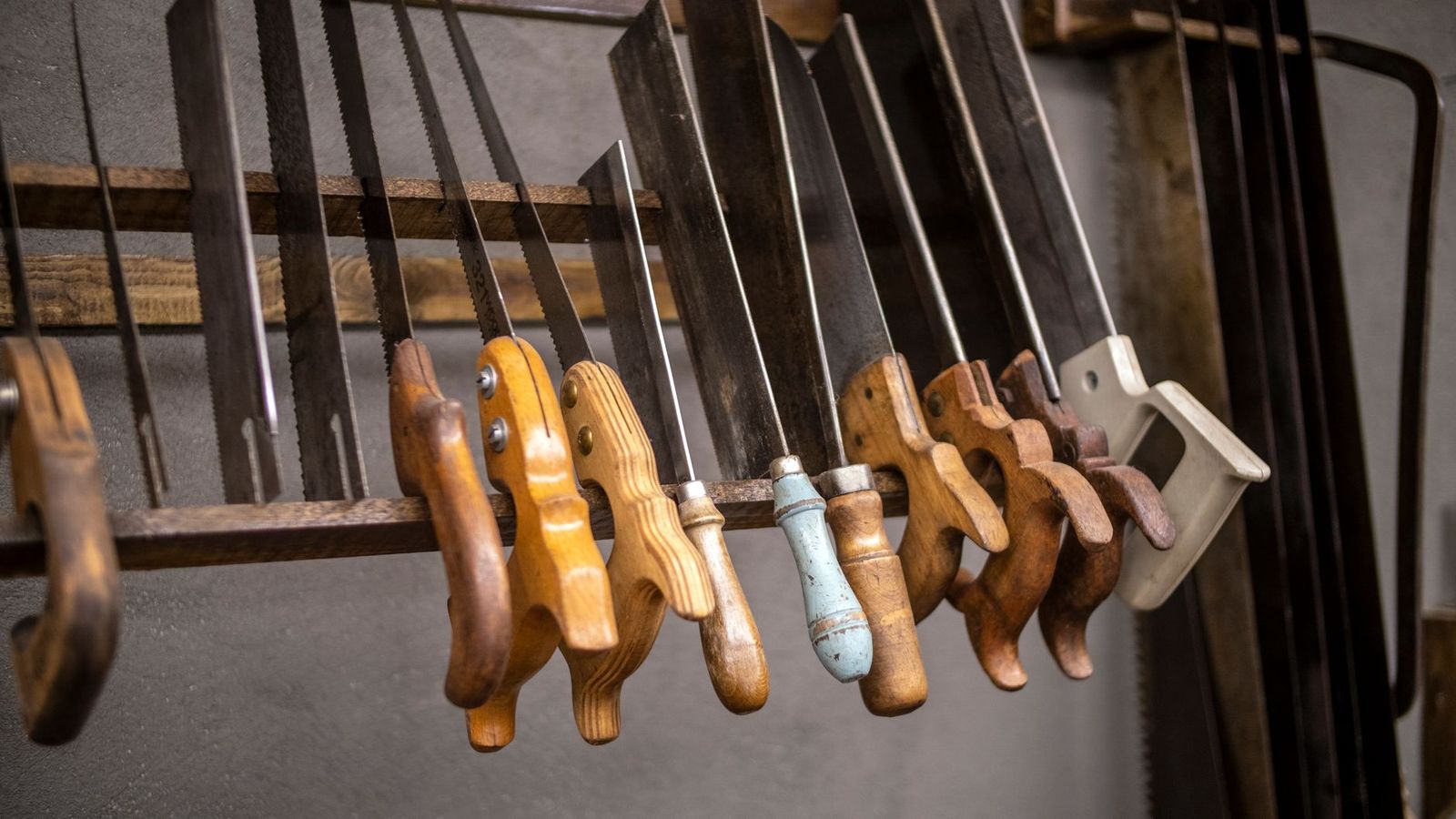
How to Make Precise Cuts with a Garden Saw
Disclosure: We may earn a commission when you buy through links on this page, at no extra cost to you. As an Amazon Associate I earn from qualifying purchases. Learn more

How to make precise cuts with a garden saw: mark clearly, secure the wood, start gently and finish slowly.
Learning how to make precise cuts with a garden saw comes down to three things: a clear mark, a firm hold on the work, and a patient first few strokes. A hand saw is a slow, controllable tool, and that is exactly why it suits tidy cuts close to a trunk, a fence post or a finished surface.
This guide is about accuracy, meaning cuts that land where you marked them and leave a clean face. If you want a ruler-straight line across a board, see tips for cutting straight lines with a garden saw, and for slanted cuts there is a separate page on cutting at different angles.

Mark the Cut Before You Touch the Saw
A precise cut starts with a visible line, because a saw follows your eye and your eye needs something to follow. Use a sharp pencil on bare wood, or a strip of masking tape and a marker on rough or wet bark.
Mark the waste side of the line with a small X so you never have to wonder which side to cut. Then decide where the kerf, the slot the blade removes, will fall: always saw on the waste side so the finished piece keeps its full length. For branches, mark where the cut should sit just outside the raised collar at the base, the slightly swollen ring where branch meets trunk.
Hold the Work So It Cannot Move
Most inaccurate cuts are really movement problems. If the wood shifts, the blade wanders, so fix the workpiece first and the saw second.
For loose pieces like fence rails or short logs, clamp them to a sturdy bench or sawhorse with the cut line hanging just past the edge. For a branch still on the tree, support the free end with your off hand or ask a helper to hold it, and stand where a falling piece cannot reach you. Keep your cutting hand relaxed and let the saw do the work.
Start the Cut Gently and Accurately
The first stroke decides the whole cut. Rest the blade on the waste side of the line, steady it with the knuckle of your thumb held well away from the teeth, and draw the saw backward two or three times with almost no pressure.
Pull saws, which cut on the pull stroke, make this easy because the thin blade stays in tension and follows the groove. Once a shallow groove exists, lengthen your strokes until you use most of the blade, and keep your elbow, wrist and the blade lined up so the saw travels in one plane. If the groove drifts off the line, stop, back the blade up and twist the saw very slightly to bring it back before continuing.
Control the Finish of the Cut
The end of a cut is where wood splinters and bark tears, so slow down as you finish. Ease off the pressure for the last few strokes, and if the offcut is heavy, support it so its weight does not rip the fibers on the way down.
On a branch cut, make a small undercut from below first, then finish from above. That stops the bark peeling down the trunk and leaves a smooth face that heals well. For more on pruning cuts specifically, read how to prune trees with a garden saw.
Gear That Helps You Cut Accurately
You do not need much, but a few inexpensive tools take guesswork out of precise work. Each of these is optional and only worth it if you cut more than the occasional branch.
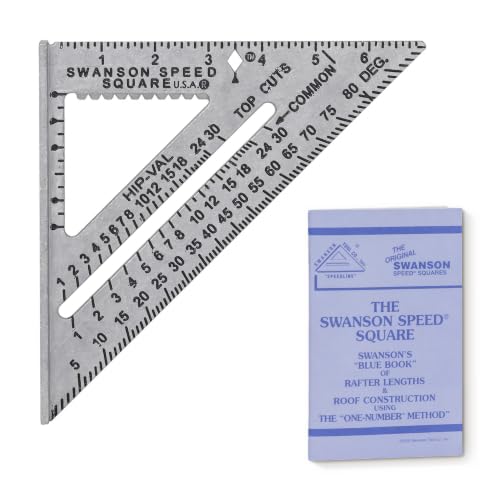
Swanson Speed Square: Best for Marking Square and Angled Lines
This aluminum layout square gives you a true 90 degree line across a board and quick angle references, so your pencil line is accurate before the saw starts. It is a marking tool only, so it will not hold the wood for you. Skip it if you only trim rough branches where a square line does not matter.

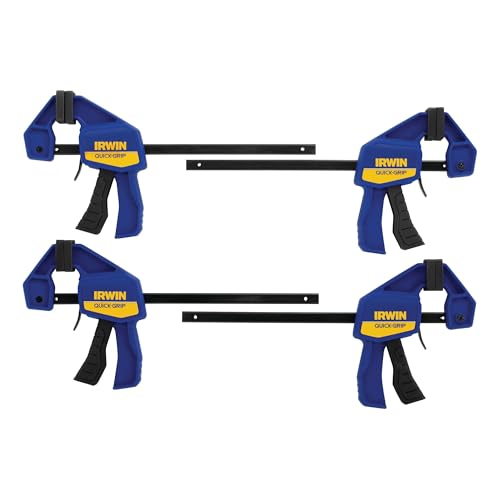
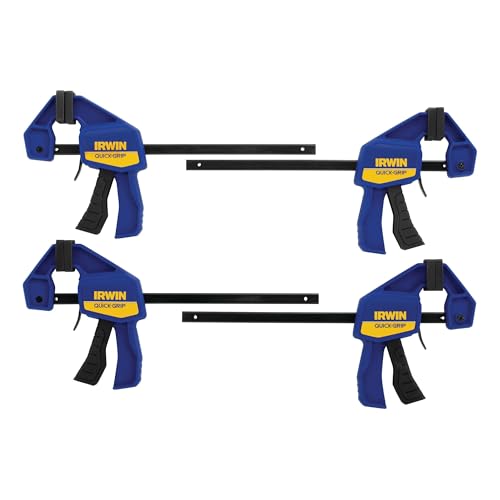
IRWIN Quick-Grip Mini Bar Clamps: Best for Holding Small Work Steady
A set of one-handed bar clamps lets you pin a rail or short log to a bench while keeping your other hand free to guide the saw. The 6 inch size is small, so it will not span thick posts. Skip it if your cuts are always on trees or large logs that cannot be clamped.
FELCO 621 Pruning Saw: Best for Close, Controlled Pull Cuts
The listing describes a straight pull-stroke saw with a tapered hardened steel 9.5 inch blade, non-slip handle and carrying sheath. A short, thin blade like this is easier to steer into tight spots than a long bow saw. The shorter blade means slower progress on thick limbs, so skip it if big wood is your main job.

Common Mistakes That Ruin Precise Cuts
Pushing hard is the biggest one, because force bends a thin blade and turns the cut. Use light, steady strokes and let the teeth cut.
The next is a dull blade: a saw that skates or binds will never cut cleanly, so keep it in shape with the steps in how to maintain and sharpen your garden saw. Finally, rushing the setup costs more time than it saves; ten extra seconds marking and securing the wood usually prevents a recut. Always wear eye protection and cut-resistant gloves, and review how to ensure safety while using a garden saw before you start.
Practice on Scrap to Build Control
Precision is a skill you can build in an afternoon with a few offcuts. Clamp a piece of scrap, draw three parallel lines, and cut along each one, aiming to split the pencil line in half with the blade.
Check each result by holding the cut face against a square. If the cut leans one way, you know your grip or stance is pulling the saw off line, and you can correct it before cutting something that matters. Ten minutes of this teaches your arm what a light, steady stroke feels like, and that feeling carries over to every real cut afterward.
Lighting matters too. Cut where you can see the line clearly, with the light coming over your shoulder so the blade does not cast a shadow across the mark. For shrub and hedge work, where tidy cuts leave healthy growth, see how to use a garden saw for pruning shrubs and hedges.
FAQ: How to Make Precise Cuts with a Garden Saw
How do I stop my garden saw from wandering off the line?
Start with a shallow groove and keep your elbow, wrist and blade in one line. Use light pressure, and if the cut begins to drift, back up and gently twist the saw to correct it before going deeper.
Is a pull saw more accurate than a push saw?
For most people, yes. The thin blade of a pull saw stays under tension, which helps it track straight, and the slim kerf means less effort and less wandering.
How do I get a clean cut on a branch without tearing the bark?
Make a shallow undercut from below first, then cut from above and slow down on the final strokes. Supporting the weight of the branch also keeps it from ripping as it falls.
Do I need clamps to cut accurately?
For loose boards and short pieces, a clamp or vise helps a lot because it keeps the wood from shifting. For branches on a tree, steady support from your off hand or a helper does the same job.
Precise cuts are a habit rather than a talent: mark clearly, hold the wood firmly, start slowly and finish gently. Practice the same routine on scrap and you will soon know how to make precise cuts with a garden saw every time.