Tips for Choosing the Right Blade for Your Garden Saw
Disclosure: We may earn a commission when you buy through links on this page, at no extra cost to you. As an Amazon Associate I earn from qualifying purchases. Learn more

Tips for choosing the right blade for your garden saw: TPI, tooth shape, blade length and steel explained simply.
These tips for choosing the right blade for your garden saw will help you match teeth, length and steel to the wood you actually cut. The wrong blade makes a good saw feel dull, while the right one cuts faster, binds less and lasts longer.
We cover tooth count, tooth shape, blade length, steel type and replacement options, then point to a few well reviewed blades and saws.
Start with the Wood You Cut Most
Green wood and dry wood want different teeth. Green, wet wood needs wide gaps between teeth to clear damp sawdust. Dry, seasoned wood and lumber do better with finer teeth that make a smoother cut.
Also think about size. Small twigs under two inches suit a short, fine blade, while thick limbs and logs call for a long blade with coarse teeth. If you cut mostly firewood, see how to cut firewood with a garden saw, and for species differences read cutting different types of wood.
Tips for Choosing the Right Blade for Your Garden Saw: Understand TPI
TPI tells you how coarse a blade is, and it is the first number to look at. Fewer teeth per inch means larger teeth that cut quickly and clear chips, but leave a rougher surface. More teeth per inch cut slower but cleaner.
- Around 4 to 6 TPI: fast cutting on green wood and thick limbs.
- Around 6 to 8 TPI: a good all around range for pruning saws.
- 8 TPI and up: fine cuts on dry or small stock where a smooth edge matters.
A blade with a high TPI in wet wood will clog, and a very coarse blade will tear thin stems. Pick the middle unless your wood is at an extreme.
Tooth Shape and Grind
Tooth design changes how the saw cuts and how long it stays sharp. Look for the features listed below.
- Triple cut or three sided teeth: sharpened on three faces for fast cutting on the pull stroke.
- Staggered or set teeth: bend slightly left and right so the cut is wider than the blade, which reduces binding.
- Gullets: deeper gaps that remove sawdust, helpful in hardwood and green wood.
- Impulse hardened teeth: heat treated tips that stay sharp longer, though they cannot usually be filed.
Hardened teeth stay sharp longer, but you replace the blade when they dull. Softer teeth can be filed. For filing, see how to maintain and sharpen your garden saw.
Blade Length and Shape
A longer blade makes each stroke remove more wood, so cuts go faster with less effort. But long blades are harder to control in tight spots.
- 6 to 8 inches: pocket saws for small stems and light work.
- 10 to 14 inches: the all around choice for branches.
- Bow saw blades of 21 to 30 inches: logs and firewood.
A curved blade pulls the wood into the teeth and gives leverage on thick branches, while a straight blade suits precise cuts. See cutting curved shapes and cutting straight lines.
Steel and Coatings
Most affordable saws use SK5 carbon steel, which is hard and holds an edge but can rust. Chrome vanadium and bimetal blades add toughness. Some blades have coatings that resist rust and reduce friction.
Whatever the steel, a clean, dry blade lasts longer. Our guides on cleaning and maintaining the blade and storing your saw show how.
Fixed Versus Replaceable Blades
A replaceable blade lets you keep the handle and swap in a fresh edge when the teeth dull, which saves money over time. Check that spare blades are sold for your model before you buy. Fixed blades are simpler and often cheaper but need sharpening or a whole new saw.
Blades and Saws Worth a Look
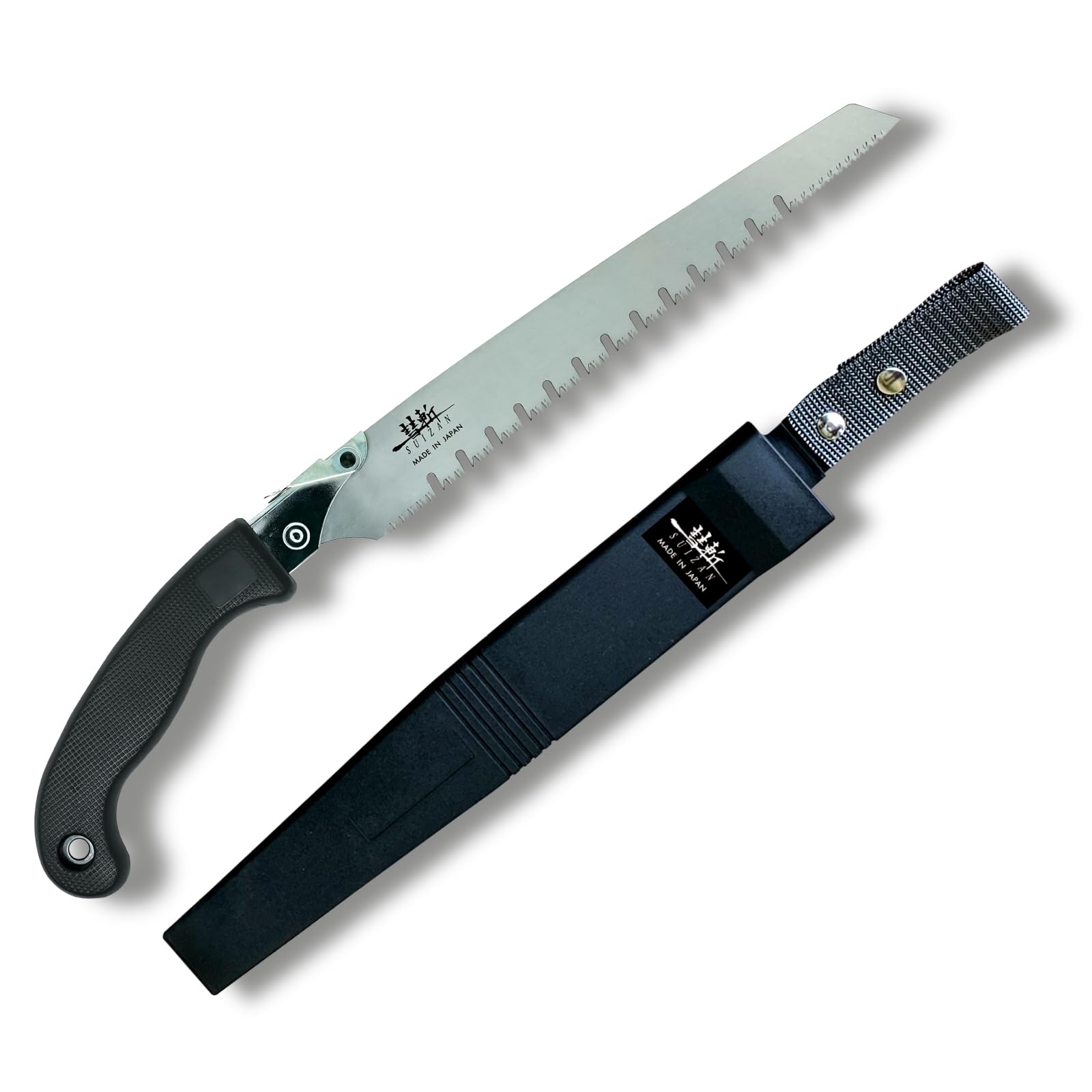
SUIZAN 10.6-Inch Pruning Saw: best for easy blade changes
This Japanese pull saw has a one-touch blade change, gullet teeth to clear sawdust and a listed capacity of about 6 inches. It weighs about 6 ounces and costs around $36. Replacement blades are sold separately. Skip it if you want a fixed blade you never have to think about.

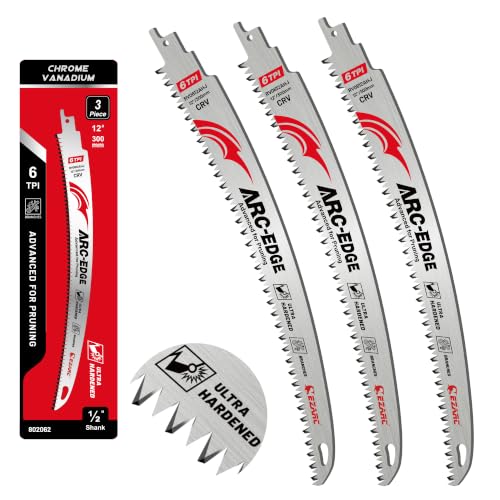
EZARC 12-Inch Arc Edge Pruning Blades: best for upgrading a reciprocating saw
This 3 pack of 12 inch, 6 TPI arc edge blades is made for pruning with a reciprocating saw, with fleam ground teeth and deep gullets, and is listed for wood up to about 10 inches across. It costs around $27. These fit power tools, not hand saws. Skip it if you only use hand saws.

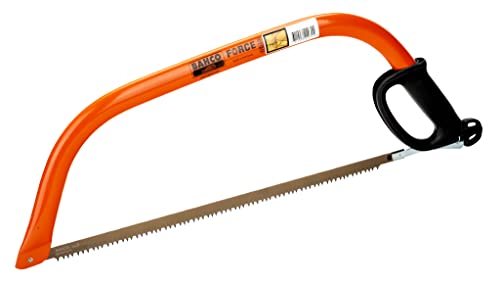
Bahco 10-30-23 30-Inch Ergo Bow Saw: best for a green wood blade
This 30 inch bow saw is listed for green wood, with a frame that tensions the blade for straight cuts. It costs around $44. A dry wood version, the Bahco 10-30-51, exists for seasoned lumber. Skip it if your wood is mostly dry.

Matching Blade to Saw Type
Different saws take different blades, so the best choice depends on what you already own. Bow saws use long, flat blades that are held in tension, and spare blades are cheap and easy to swap. Pruning saws often have a curved blade that is riveted or bolted in place. Folding saws use blades that pivot in the handle, and many are not replaceable at all.
Before you buy a spare, check the blade length, the mounting holes or pin spacing and the maker's model number. Arc edge blades for reciprocating saws are a separate category, and they only fit power tools. Keep spares in a dry, labeled sleeve so the teeth stay protected.
Caring for the Blade You Choose
A good blade stays good with a little care. Wipe off sap and moisture after each job, since resin builds up on the teeth and causes drag. A cloth with a drop of household cleaner or a resin remover takes it off in a minute.
Dry the blade, add a thin film of light oil on bare steel and store it with a guard on. Do not toss it in a bag with other tools, because the teeth chip when they bang against metal. If a few teeth are bent, replace the blade rather than trying to straighten them, and keep a spare on hand so you never have to force a dull blade through a cut.
A Quick Buying Checklist
Before you order a blade, run through a short list. Confirm the wood type (green or dry), the usual branch size, the blade length and the TPI. Check whether the blade is replaceable or fixed and whether spares are sold for your model.
Finally, think about how you carry the saw. A scabbard or a locking fold keeps the teeth safe in a truck or a shed, which matters just as much as how sharp they are.
Frequently Asked Questions
What TPI is best for pruning?
Around 6 to 8 TPI works for most pruning, with coarser blades for green wood and finer ones for dry.
How do I know when to replace the blade?
When cuts take noticeably longer, you need extra force or the saw wanders, the teeth are worn. Sharpen soft teeth or fit a new blade.
Are Japanese pull saws better?
They cut on the pull stroke with thin blades, so they feel fast and precise, though the thin steel can bend if forced.
Does blade length matter?
Yes. A longer blade cuts faster but is harder to maneuver. Pick a length that fits your usual branch size.
Use these tips for choosing the right blade for your garden saw and you will cut cleaner with less work. Compare saw types in tips for choosing the right garden saw or browse our saws.