Tips for Efficient and Effective Cutting with a Garden Saw
Disclosure: We may earn a commission when you buy through links on this page, at no extra cost to you. As an Amazon Associate I earn from qualifying purchases. Learn more

Tips for efficient and effective cutting with a garden saw: planning, saw size, stroke rhythm and blade care.
Good tips for efficient and effective cutting with a garden saw are about saving effort over a whole job, not just one stroke: fewer wasted motions, less time spent fighting a dull or sticky blade, and a work area arranged so you never stop to reposition. A few habits can turn an exhausting afternoon of yard cleanup into a steady, manageable task.
This guide looks at the big picture of cutting: planning, saw choice, stroke rhythm, blade condition and pacing. For the details of individual techniques, see straight lines, thick branches and handling and grip.
Plan the Job Before the First Cut
Efficiency begins with order. Walk around the tree, shrub or woodpile first and decide which cuts come first, where cut pieces will go, and what has to move before you start.
Remove the small limbs and obstructions first so the big cuts are clear. Cut from the outside of a branch toward the trunk, not the other way around, so the weight reduces gradually and you are never fighting a heavy load. Stack cut pieces as you go in one place instead of dragging them across the yard at the end.
Use the Right Saw for the Size of Wood
Using a saw that is too small is the most common reason cutting feels slow. As a guide, the blade should be at least three times as long as the thickness of the wood, and aggressive teeth cut green wood far faster than fine ones.
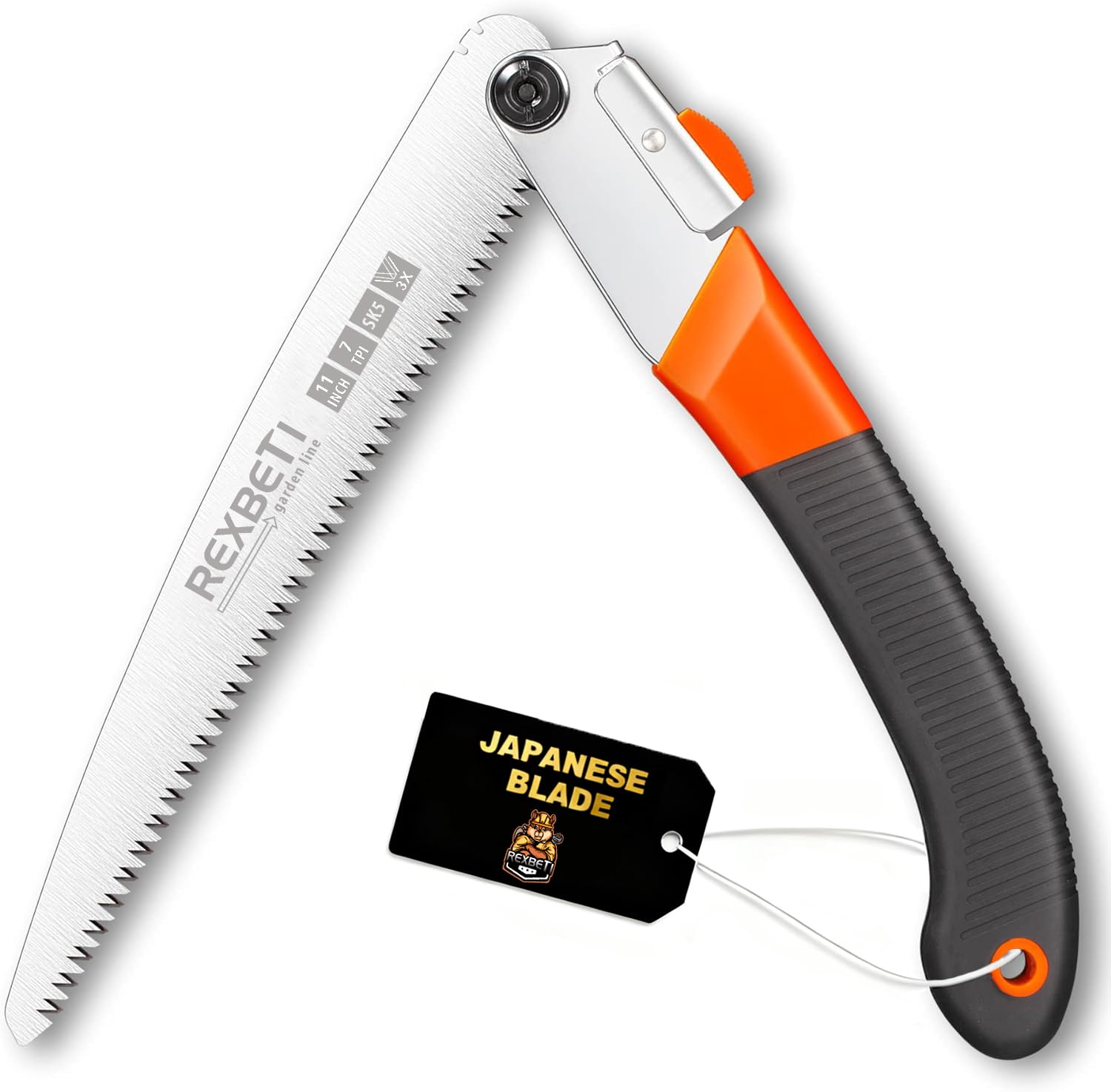
REXBETI 11 Inch Folding Saw: Best for Everyday Branches
This saw is listed with an SK5 steel blade, 7 teeth per inch with staggered teeth, and a stated capacity of branches up to about 6 to 7 inches. It has a rubber-coated handle for a secure grip. The shorter blade means slower progress on the thickest wood, so skip it if most of your cuts are over four inches.

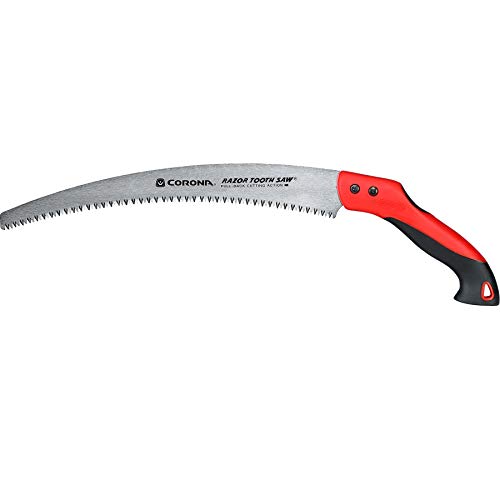
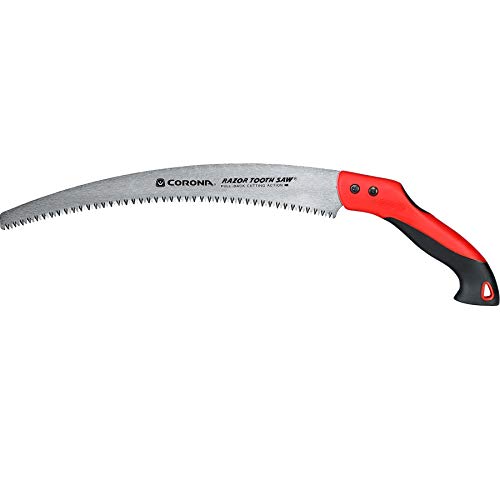
Corona 14 Inch RazorTOOTH Pruning Saw: Best for Fast Cuts on Live Wood
The listing describes a curved blade with three-sided razor teeth and impulse-hardened SK5 steel, meant for limbs up to 8 inches with a pistol grip. The fixed blade is bulky to carry, so skip it if you need something that folds into a pocket.
Find Your Rhythm and Use the Whole Blade
Efficient sawing uses the full length of the blade on every stroke, since the teeth at the end of the blade cut as much as those in the middle. Short, choppy strokes wear out a small section of teeth and tire your arm faster.
Let the blade do the cutting with light pressure on the cutting stroke and no pressure on the return, particularly with a pull saw. Aim for a steady pace of about one stroke per second rather than a sprint, and relax your grip. If you find yourself pushing hard, the problem is almost always the blade, not your strength.
Keep the Blade Sharp and Clean
A dull or sticky blade makes every cut harder than it should be. Sap and resin glue sawdust to the teeth and slow the cut dramatically, so wipe the blade clean when you take a break.
Learn how to remove resin in how to clean and maintain the blade of your garden saw. Some blades have hardened teeth that are designed to be replaced rather than filed, so check the maker's instructions before sharpening, and read how to maintain and sharpen your garden saw for filing on blades that allow it.
Secure the Wood and Save Your Back
Wood that moves or sits too low wastes energy. Raise logs on a sawhorse, clamp small pieces, and keep the work at around waist height so you are not bent over.
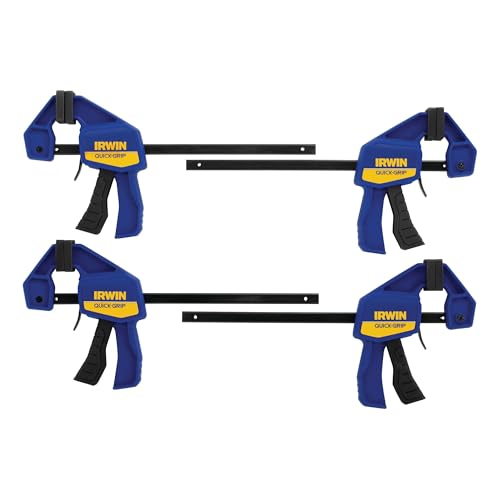
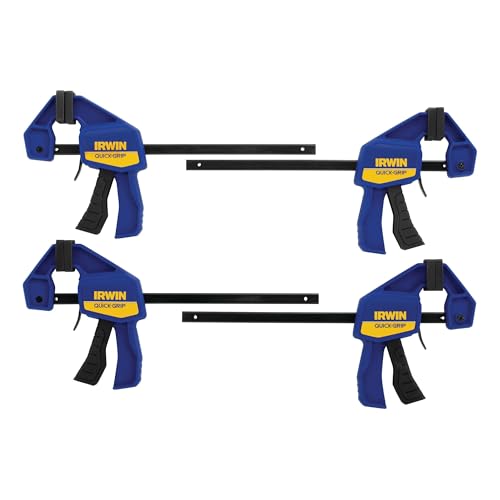
IRWIN Quick-Grip Mini Bar Clamps: Best for Holding Small Pieces
These one-handed 6 inch clamps are sold as a four pack and let you hold a stake or rail on a bench while you grip the saw with both hands. They will not open wide enough for thick posts, so skip them if you mostly cut large logs.
Pace Yourself and Protect Your Body
Efficiency is not speed at any cost. Take a short break every ten or fifteen minutes, drink water, and switch hands or stance when you can. Fatigue leads to bad cuts and slips.
Wear gloves and eye protection from the start and keep your free hand out of the line of the blade. Our guide on how to ensure safety while using a garden saw covers the basics, and how to use a garden saw properly gives the fundamentals of the stroke.
Efficient Cutting Checklist
Before you start, confirm each of these: a sharp, clean blade, a saw sized to the wood, a plan for cut order, a stable work position, and a clear space for falling pieces. Do this and the job usually takes a fraction of the effort.
Cut in the Right Order for Big Cleanup Jobs
When you have a whole pile of branches to cut, work out a system. Sort by thickness, cut the biggest pieces first while you are fresh, and leave the small twigs for the end when your arm is tired.
Lay branches in a row with their ends aligned, so you can cut several at once to a common length when they are thin enough. For firewood, mark a length on your sawhorse and cut every piece to match it, which saves measuring. Keep a bucket for twigs and a pile for logs so nothing needs to be handled twice.
These small systems may feel minor, but over an afternoon they save a surprising amount of time and strain, and they leave your yard tidier at the end. For more on cutting firewood specifically, read how to cut firewood with a garden saw.
Know When to Switch Tools
Efficiency also means recognizing when a hand saw is no longer the right choice. If a branch is bigger than the saw can reach comfortably, or you have dozens of thick logs to cut, a bow saw, a pole saw or a powered tool may finish the work in a fraction of the time.
For small twigs and stems, hand pruners or loppers are quicker than a saw. See the pruners and loppers category for options. Using a saw for what it does best, and another tool for the rest, keeps every job moving and keeps your blade sharper for longer.
FAQ: Tips for Efficient and Effective Cutting with a Garden Saw
Why does my garden saw cut so slowly?
The usual causes are a dull blade, sap buildup, too much pressure or a saw that is too small for the wood. Clean or replace the blade first.
Should I push or pull?
With a pull saw, apply pressure only on the pull stroke. With a push-and-pull saw, use even light pressure both ways.
How can I cut faster without wearing myself out?
Use the full length of the blade, keep a steady rhythm and let the weight of the saw do the work instead of pressing down.
Is a bigger saw always better?
No. A bigger saw cuts thick wood faster but is clumsy in tight spots. Match the saw to the wood you cut most often.
The best tips for efficient and effective cutting with a garden saw are to plan the job, size the saw to the wood, use long strokes and keep the blade clean. With good habits you will finish the work with energy to spare.